
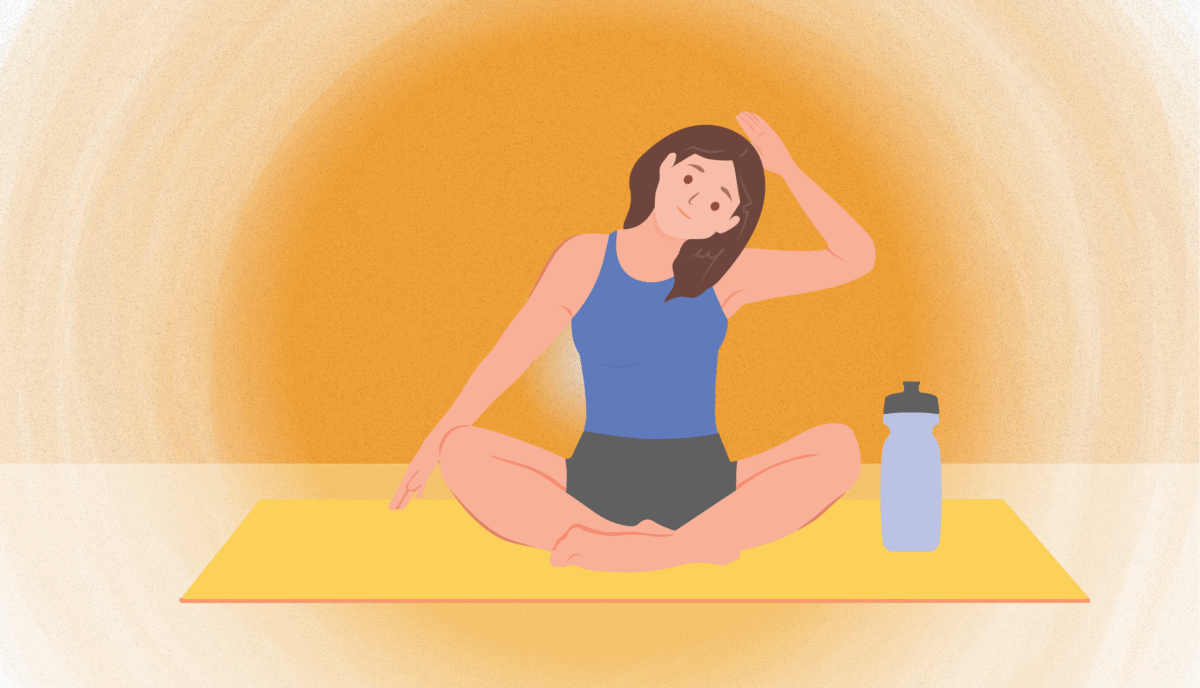
Migraine and the Role of Exercise
Can exercise help migraine, or trigger it? The answer is both.4
Exercise can play an important role, and help lower how often attacks occur and how severe they feel, while also supporting sleep, mood, and overall wellbeing.1
However, exercise works best as part of a broader treatment plan rather than as a solution on its own.
This article explores how exercise affects migraine, including why exercise may trigger migraine for some people, and how to stay active in a way that works for you.
Migraine 101
Migraine is a neurological condition that is more than just head pain.
A migraine attack can include a range of symptoms such as:3
- sensitivity to light and sound
- nausea and/or vomiting
- dizziness
- stomach discomfort
- brain fog
If you want to learn more about migraine basics, here are a couple of Migraine World Summit resources:
- The different types of migraine
- Phases of a migraine attack: Prodrome, postdrome, and the pain in between
- Medication for migraine headache
Exercise and Its Many Benefits
Exercise for migraine has many benefits and can be an important part of a successful treatment plan.5
Benefits of exercise may include:5
- better sleep
- reduced stress
- reduced inflammation
- improved mental health
- improved cardiovascular health
- weight management
- pain management
Exercise as a non-pharmaceutical treatment can be as effective as some migraine medication and is recommended by healthcare providers.2
Exercise can make you feel stronger and safer in your body, which can improve your quality of life.1

Biological Changes in Exercise and Migraine
Exercise affects several systems in the body that may influence migraine. While the exact mechanisms are complex, these changes may help raise your migraine threshold and reduce the likelihood of an attack over time.
Changes in blood flow
Exercise increases heart rate and blood pressure, as well as catecholamines, which support cardiovascular function.⁶
Neurochemical changes
Exercise can raise levels of CGRP (calcitonin gene-related peptide), a brain chemical involved in migraine. While its exact role is not fully understood, this response may help explain why exercise can trigger attacks in some people.5 Exercise also raises BDNF (brain-derived neurotrophic factor), which supports brain function, pain signaling, and long-term brain health.6
Stress reduction and hormone regulation
Exercise increases endorphins (opioids) and endocannabinoids, which help control pain and positively affect mood.6 It may also support mood regulation and improve symptoms of depression and anxiety.1
Anti-inflammatory effects
Exercise may reduce inflammation by lowering inflammatory chemicals (cytokines) and supporting a healthy weight, which can further reduce overall inflammation in the body.5,6
Did you know?
Studies have shown a reduction in inflammatory markers in individuals who engage in practices like meditation, yoga, or tai chi. Regular and appropriate exercise can serve as a natural preventive option for migraine by moderating pain-regulating systems, reducing obesity-related inflammation, and generally promoting an anti-inflammatory state in the body.7
Elizabeth (Betsy) Seng, PhD, Professor of Psychology and Neurology at Yeshiva University, Albert Einstein College of Medicine, talks about regulating stress and migraine through exercise. The video is from the 2024 Migraine World Summit.
Migraine and Exercise: A Complicated Relationship
Studies show that exercise can help reduce migraine over time.6
However, some people find that exercise can trigger migraine attacks, especially during intense or sudden activity. Exercise may also feel difficult due to fatigue or increased pain during movement.
Primary exercise headache, formerly called benign exertional headache, is a separate headache disorder in which exertion regularly triggers headache, often after more intense exercise. This is not the same as a migraine attack.
Exertional migraine is a disorder in which exercise triggers an attack that meets the full diagnostic criteria for migraine, not just head pain alone.
This is why finding the right way to exercise, by considering the type, pace, and timing, is crucial when living with migraine.6
You can read more about how to avoid primary exercise headache and exertional migraine in the section about exercise safety tips.
Richard B. Lipton, MD Professor of Neurology and Director of Montefiore Headache Center, Albert Einstein College of Medicine, talks about the complicated relationship between migraine and exercise. The video is from the 2021 Migraine World Summit.
The Latest Research on Exercise and Migraine
There are a large number of research studies showing that people with migraine who exercise consistently have lower migraine frequency, less disability, and less severe pain.6
Exercise Compared to Migraine Medication
A key study by Dr. Mattias Linde, Professor of Neurology at the Norwegian University of Science and Technology, compared regular exercise to a common migraine drug, topiramate (Topamax), for preventing migraine attacks. The findings showed that moderate aerobic exercise was just as effective as topiramate in reducing the number of migraine days and how severe they were. The exercise group reported no side effects, unlike those taking medication.2
Did you know?
Some studies suggest that regular aerobic exercise may be as effective as certain medications in lowering migraine frequency, without the risk of side effects.2
As Dr. Linde explained, “We could show that there is no significant difference in reduction of days with migraine, reduction in headache intensity, and several other endpoints when you compare it to drug treatment. That has been confirmed in several studies.”2
This research suggests that exercise is a powerful, non-drug option for preventing migraine, without the unwanted side effects of medication.2
How Exercise Affects the Brain
Dr. Richard Lipton, Professor of Neurology and Director of the Montefiore Headache Center, Albert Einstein College of Medicine, discusses how exercise can benefit brain health, pain modulation, and weight management. It’s believed that exercise can affect neurotransmitters and brain-derived neurotrophic factors, potentially raising the migraine threshold.6
Impact on Mental Health and Comorbidities
Experts like Dr. Lipton and Dr. Elizabeth Seng, Professor of Psychology and Neurology at Yeshiva University, emphasize that exercise significantly improves common migraine comorbidities such as depression, anxiety, and sleep quality. These improvements indirectly contribute to better migraine management.1,4
Inflammation and Migraine
Dr. Gretchen Tietjen, Professor Emerita of Neurology at the University of Toledo, highlights the role of inflammation in migraine pathophysiology. Exercise is known to have anti-inflammatory effects, which could contribute to its preventive benefits.7
A Personalized Approach Is Key
The latest research and expert opinions support a personalized approach combined with patience and experimentation. What works for one person may not work for you.1
Dr. Seng stresses the importance of “individualized and mindful movement” and finding activities that are enjoyable and sustainable. Dr. Seng also addresses the significant barriers people with migraine face in exercising, such as fatigue, pain, and fear of triggering an attack. Strategies include self-compassion, pacing, and incorporating gentle activities like seated yoga or stretching.1
Choosing the Right Type of Exercise
All forms of body movement can be considered exercise, from strength training to stretching. Both aerobic and anaerobic exercise can benefit people living with migraine.1
It is important to incorporate both types of exercise in daily life by increasing overall movement and creating time for dedicated exercise. Finding the best exercise for migraine is personal and should reflect your abilities and needs.1
Aerobic Activities vs. Anaerobic Activities
Aerobic exercise is defined by The American College of Sports Medicine (ACSM) as “any activity that uses large muscle groups, can be maintained continuously, and is rhythmic in nature.”8
Some examples of aerobic exercise include yoga, cycling, dancing, hiking, jogging/long distance running, swimming, dancing, rowing, team sports, and walking.8

Anaerobic exercise has been defined by the ACSM as “intense physical activity of very short duration, fueled by the energy sources within the contracting muscles and independent of the use of inhaled oxygen as an energy source.”8
Some examples of anaerobic exercise include sprinting, weightlifting, High Intensity Interval Training (HIIT), jumping rope, and calisthenics when performed in short bursts.8

Yoga and Mindful Movement
Yoga and mindfulness are valuable tools for managing your migraine. Through a biopsychosocial approach, Adriane Dellorco, founder of Yoga for Migraine, explains that yoga can reduce stress through breathwork, muscle tension release, and meditation. These practices activate the parasympathetic nervous system, the body’s “rest and digest” response.9
It can also help with neck tension and can serve as a gentle “gateway exercise” for those who struggle with more intense routines, even on high pain days. Yoga can be performed in a chair or lying down as well to fit your needs.9
Dr. Rebecca Wells, Professor of Neurology at Wake Forest University School of Medicine, also emphasizes that mindfulness meditation can help people living with migraine reduce their perceived pain and suffering. This practice, which involves focused attention and nonjudgmental awareness, helps separate the sensory component of pain from its emotional and cognitive aspects.10
Both experts say that these practices can enhance self-efficacy and resilience, offering a sense of control over migraine disease that often feels unpredictable.9, 10
Strength and Resistance Training
There are potential benefits of strength and resistance training for people with migraine, although there are fewer studies specifically on this compared to aerobic exercise.
Dr. Seng states that the studies on strength training, though there are few, show that it can be a valuable part of a migraine management plan if an individual enjoys activities like lifting weights.1
However, Dr. Mattias Linde cautions that very heavy weightlifting and anaerobic exercise may act as migraine triggers due to increased lactate levels in the body, which are often elevated in the brains of individuals with frequent migraine.2
Therefore, while strength training can be beneficial, the intensity and type of resistance exercise should be carefully considered and individualized to avoid triggering attacks. More research is necessary in this area.2
Flexibility, Mobility and Balance Work
Flexibility, mobility, and balance work can be beneficial components of migraine management.
Physical therapist Dr. Ali Ladak highlights that a full assessment for people with migraine often includes evaluating11:
- the cervical spine
- jaw
- ocular-motor system (eye movement)
- vestibular system (responsible for balance and the body’s orientation in space).
Dr. Ladak notes that actions and corrections for posture, along with various manual therapy modalities, can be important. For instance, addressing neck muscle tightness through stretching and other physical therapy techniques is frequently discussed as a way that might lower migraine-related pain.11
For people with vestibular migraine, where the main symptom is dizziness or vertigo, the best exercises are often gentle, low-impact activities that minimize jarring head movements. Vestibular rehabilitation therapy (VRT), which is tailored to individual sensitivities and performed in small doses, is a cornerstone of treatment.12, 14
Dr. Shin Beh and Dr. Kristen Steenerson specifically advocate for vestibular physical therapy (VRT), which focuses on adapting and improving balance to help the brain adjust to dizziness and vertigo.
Activities that can be beneficial are12,14:
- stationary cycling
- carefully modified walking
- gentle yoga styles (restorative, Hatha)
These types of exercise focus on gradual progression and listening to the body’s response. The goal is to use neuroplasticity to desensitize the brain to motion and improve balance without triggering attacks. These approaches can support improvements in overall physical function and symptom reduction.12, 14
Kristen K. Steenerson, MD, Clinical Assistant Professor, Otolaryngology (Head and Neck Surgery), Neurology and Neurological Services at Stanford University, talks about how beneficial vestibular physical therapy can be for those living with vestibular migraine. The video is from the 2024 Migraine World Summit.
Did you know?
Experts recommend mind-body practices like yoga, tai chi, and qigong to help improve flexibility, mobility, and balance for people living with migraine. Yoga may also relieve muscle tension and can be adapted for those with vestibular migraine, making it accessible even during attacks.9
Exercise Safety Tips for People With Migraine
Preparation
Preparation before exercising is important for safety and may help prevent a migraine attack. Finding movement that works for you and can be done consistently may help make regular exercise more manageable.1
It is recommended to get a demonstration of the exercise or equipment that will be used in the new routine to increase confidence and safety. Practicing before officially starting can decrease the risk of injury and increase the effectiveness of the movements.1
When beginning, it can be helpful to set reasonable goals or “graded tasks”. Start with goals that can be met on the first day and gradually build up from there. This helps build confidence and makes it more likely that you will continue exercising.1
Keys to Getting Started
- Consult a Healthcare Professional: Discuss the exercise plan with a healthcare provider, especially if there are other health conditions or chronic migraine.
- Start Slow: Begin with short (10–20 minute), low-to-moderate intensity activities and gradually increase.
- Choose Wisely: Select enjoyable aerobic activities (walking, cycling, swimming). Consider gentle options like yoga or chair yoga if needed.
- If Photophobia (sensitivity to light) is a Trigger: Harsh lighting and sun glare can be triggering for some people with migraine. Wearing sunglasses and a hat can help reduce this trigger factor.
- Warm Up and Cool Down: Include 5–10 minutes of gentle warm-up and cool-down.
- Stay Hydrated: Drink plenty of water before, during, and after exercise.
- Track the Response: Use a diary or app to monitor exercise, migraine symptoms, and potential triggers.
- Adapt as Needed: Modify exercise program for neck pain, balance issues, or other specific needs.
- Time it Right: Listen to the body and exercise when it feels appropriate and avoid vulnerable periods.
- Eat a Snack Before Exercising: low blood sugar from exercising on an empty stomach can act as a trigger. Eating a healthy snack before starting can help prevent a drop in blood sugar.
- Be Kind to Yourself: Expect slow progress and setbacks; resume when able.
- Seek Support: Exercise with a friend, join a class, or consult a physical therapist.
- Combine Strategies: Combine exercise with other healthy habits like sleep and stress management. 1, 2, 6, 9, 11, 24
Finding an exercise routine that is consistent, enjoyable, and fits your needs is the goal. If exercise triggers migraine, reduce intensity, shorten duration, or try gentler movements.21
Always consult a doctor for sudden, severe, or unusual symptoms during or after exercise.21
Diary Tracking
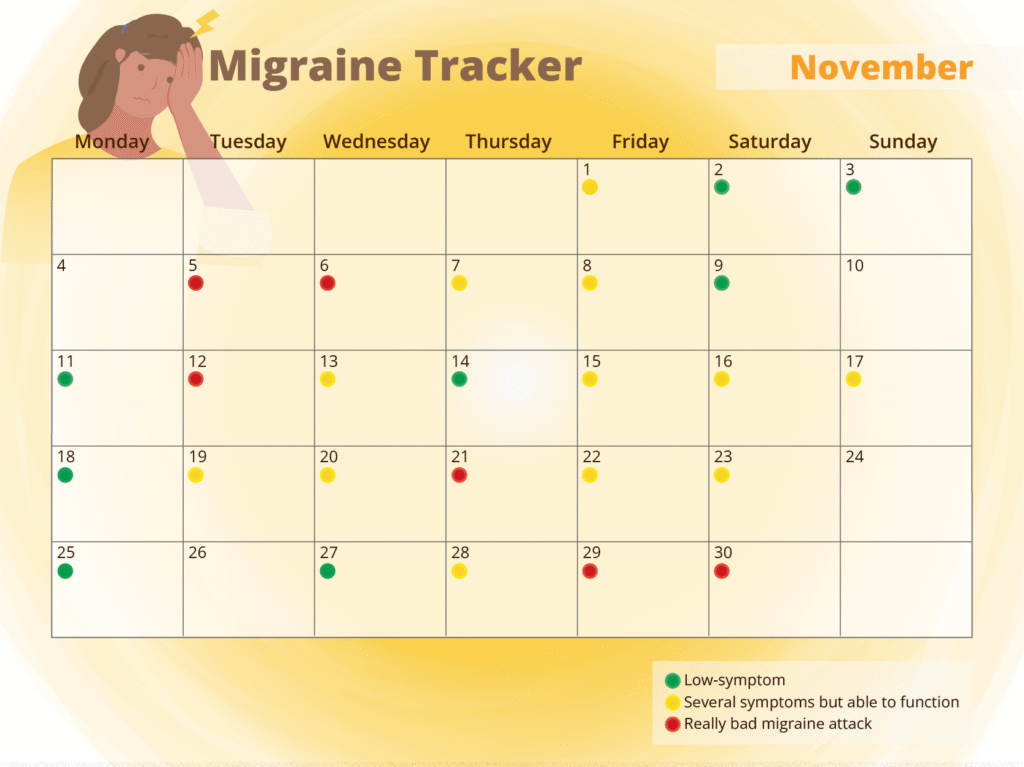
Tracking exercise and symptoms can help you better understand what may influence your migraine.
Over time, this may reveal patterns related to:
- the type of exercise
- how intense the activity is
- how long you are exercising
- environmental factors (e.g., heat, dehydration, or noise)
It may also reveal exercises that are consistently well tolerated or even act as a “protector” against attacks.15
Let’s take a practical example:
If your tracker shows that high-impact activities like running or HIIT are consistently followed by migraine symptoms, you can switch to gentler options such as walking or yoga. Over time, this helps you identify which types of movement your body tolerates better.
This data-driven feedback can be motivating and help both you and your healthcare providers understand the long-term impact of consistent physical activity.
In essence, symptom trackers can be helpful in making some sense of the unpredictable nature of migraine, helping you more safely and effectively integrate exercise into your life.15, 17
However, tracking is meant to support awareness, not create additional stress. If detailed tracking starts to feel overwhelming or increases focus on symptoms, a simpler approach may be more helpful.
Tools like Migraine Buddy and N-1 Headache Tracker can be useful for tracking symptoms and identifying patterns.
How to avoid Primary Exercise Headache or Exercise-Induced Migraine
As mentioned earlier, primary exercise headache is a headache triggered by physical activity, typically occurring during or shortly after strenuous exercise, without an underlying medical cause. This is different from migraine.
But exercise can also trigger migraine attacks in some individuals. In these cases, the headache is part of a broader migraine condition, often accompanied by symptoms such as nausea, sensitivity to light, or aura.
To minimize the risk of primary exercise headache or exercise-induced migraine, experts emphasize a personalized and cautious approach.
Here are some key tips1,2,6:
- Warm up gradually, as starting exercise too abruptly may trigger migraine
- Stay well-hydrated before and during exercise
- Avoid common triggers such as glare, hunger, and overheating
- Exercise at times when you feel physically good, and avoid more vulnerable periods (e.g., after poor sleep or around your menstrual cycle)
While NSAIDs (non-steroidal anti-inflammatory medications) taken before exercise have been suggested as a “semi-prophylactic,” Dr. Linde cautions against frequent use due to the risk of medication overuse headache.16
Ultimately, listening to the body, gradually increasing intensity, and adapting the routine based on your response are key strategies.
Emily Cordes, Accredited Exercise Physiologist talks about how to be active when exercise triggers your migraine. This video is from the 2026 Migraine World Summit.
Special Considerations
While exercise can be beneficial for people living with migraine, certain special conditions may increase the risk of triggering an attack.
Factors such as environmental stressors and hormonal fluctuations can influence how the body responds to physical activity and should be taken into consideration.
Here are some recommendations for situations that may need special consideration.
Exercising in Extreme Conditions
Heat and Humidity:
Dehydration and overheating are some of the most common migraine triggers. When exercising in hot or humid conditions, the risk of both is significantly higher due to increased sweating.
Recommendations:
- Drink plenty of fluids before, during, and after exercise.
- Choosing cooler times of day for outdoor exercise or opting for air-conditioned indoor environments can also help prevent overheating. Heat and humidity place additional stress on the body, which may lower the migraine threshold.4
High Altitude:
Ascending to high altitudes, especially rapidly, can trigger migraine attacks due to barometric pressure changes. Exercise at high altitude adds to this risk by increasing physiological demands.
Recommendations:
- Gradually acclimatize to the altitude. Starting with very light activity and slowly increasing intensity over several days.
- Dehydration is also a greater risk at high altitude due to drier air and increased respiration, making consistent hydration even more important.4
Adjustments During Hormonal Fluctuations
Hormonal fluctuations, particularly those involving estrogen, are well-established factors that may influence migraine, especially in women.21
During Menstrual Migraine Periods:
If you are experiencing menstrual migraine or migraine around your period, you may be more vulnerable to attacks during this time. The drop in estrogen levels just before menstruation can lower the migraine threshold, making them more susceptible to triggers, including exercise.21
Recommendations:
- Reduce the intensity or duration of exercise, or switch to gentler activities. While consistent exercise is a preventive, pushing too hard during a hormonally sensitive window might trigger an attack.21
Perimenopause and Menopause:
The perimenopausal and menopausal transition brings significant hormonal shifts, which may worsen migraine during this time and can also impact exercise tolerance. You may need to adjust your exercise routine during this phase. Some may find that gentle, consistent exercise can help manage symptoms, while others may become more sensitive to certain activities. 21
Recommendations:
- Listen to your body and practice self-compassion.
- Be flexible in routine and modify when necessary.
- Prioritize sleep and hydration.
Additional Recommendations
For People with Vestibular Migraine:
- Avoid “overdoing movement” or trying to “bear through the pain,” which may be counterproductive for retraining the sensitive nervous system in vestibular migraine.23
- There is no one-size-fits-all regimen. What works for one person may not work for another. Close monitoring of your symptoms and adapting your exercise routine may be helpful.
- Vestibular migraine management involves “neuroplasticity training” or retraining the brain to reduce hypersensitivity to motion. Exercise, especially when done mindfully and gradually, may contribute to this process.14
- Working with a team that may include a neurologist, neuro-otologist/otoneurologist, and a specialized vestibular physical therapist can be beneficial.23
For People with Migraine with Aura:
- People experiencing migraine with aura, particularly those who have other cardiovascular risk factors (like high blood pressure, smoking, or using estrogen-containing contraceptives), should discuss their exercise plans with their doctor. Strenuous exercise is generally not contraindicated, but understanding individual vascular risk is important.22
Recommendations for People with Fibromyalgia, EDS or POTS which frequently occur with migraine:
- EDS (Ehlers-Danlos Syndrome): Choose low-impact, focusing on joint stability rather than flexibility, due to hypermobility.24
- POTS (Postural Orthostatic Tachycardia Syndrome): Start with exercise while laying flat or seated to avoid orthostatic intolerance (dizziness upon standing/exertion).24
- Fibromyalgia: Begin with very gentle, low-impact activities to avoid worsening of symptoms after activity.7
What to Do If Exercise Triggers a Migraine
If exercise triggers a migraine, it can be helpful to recognize early warning signs and know how to respond in the moment.
Recognizing Early Warning Signs
Here are some common early warning signs that a migraine attack may be starting27:
- overwhelming fatigue
- mood change such as irritability, low mood, or feeling unusually “up”
- yawning
- neck stiffness
- difficulty focusing or concentrating
- trouble finding words
- cravings or appetite change
- thirst
- light, sound, smell, movement, or touch sensitivity
- personal symptoms that have occurred in your past attacks

Immediate Steps to Take
If a migraine attack starts during or after exercise, taking early action can help reduce its severity and duration.
Here are some steps to consider6:
- Stop the activity and avoid pushing through the pain.
- Seek comfort and move to a quiet, dark, and cool place if possible.
- Rest and hydrate by lying down and drinking water.
- Take a prescribed acute migraine treatment as soon as possible.
- Listen to the body and prioritize rest and recovery. Avoid activities that worsen symptoms.
- Reduce intensity, shorten duration, or try gentler movements.
- Always consult a doctor for sudden, severe, or unusual symptoms during or after exercise.
Remember: If an attack occurs it does not mean that movement or exercise is not possible and that you have failed.1,4 Finding a way to be able to exercise while living with migraine is part of learning how your body responds and gradually discovering the right balance.
Summary
Exercise is widely recommended as a valuable part of migraine management.2
Understanding both the benefits and potential challenges can help you find an approach that works for you.
Key takeaways1,4,25:
- Regular exercise may help reduce migraine frequency and severity
- Exercise can also trigger attacks in some people
- The right type and intensity vary from person to person
- Start slowly and build gradually
- Tracking your response may help make adjustments when needed
Exercise is not a cure and is usually not enough on its own to manage a migraine disorder. But when used thoughtfully as part of a broader treatment plan, it can be a meaningful and evidence-based support.
The key is to find what works for you. Start small, build gradually, and adjust based on how your body responds over time.
Additional Resources
The following organizations and tools may provide helpful information and support for individuals living with migraine:
- American Migraine Foundation – educational resources and research-based information
- Migraine Trust – patient guides and advocacy
- Migraine Again – articles and lifestyle tips
- Migraine Buddy – migraine tracking app
- N1-Headache Tracker App – a personalized headache tracking tool
- Yoga for Migraine – holistic migraine coach using yoga and pain reprocessing therapy
- Vestibular Disorders Association (VeDA) – Vestibular Migraine – resource for vestibular migraine patients
- Association of Migraine Disorders – patient resource for migraine and research
Links to outside organizations and articles are provided for informational purposes only and imply no endorsement on behalf of Migraine World Summit.
