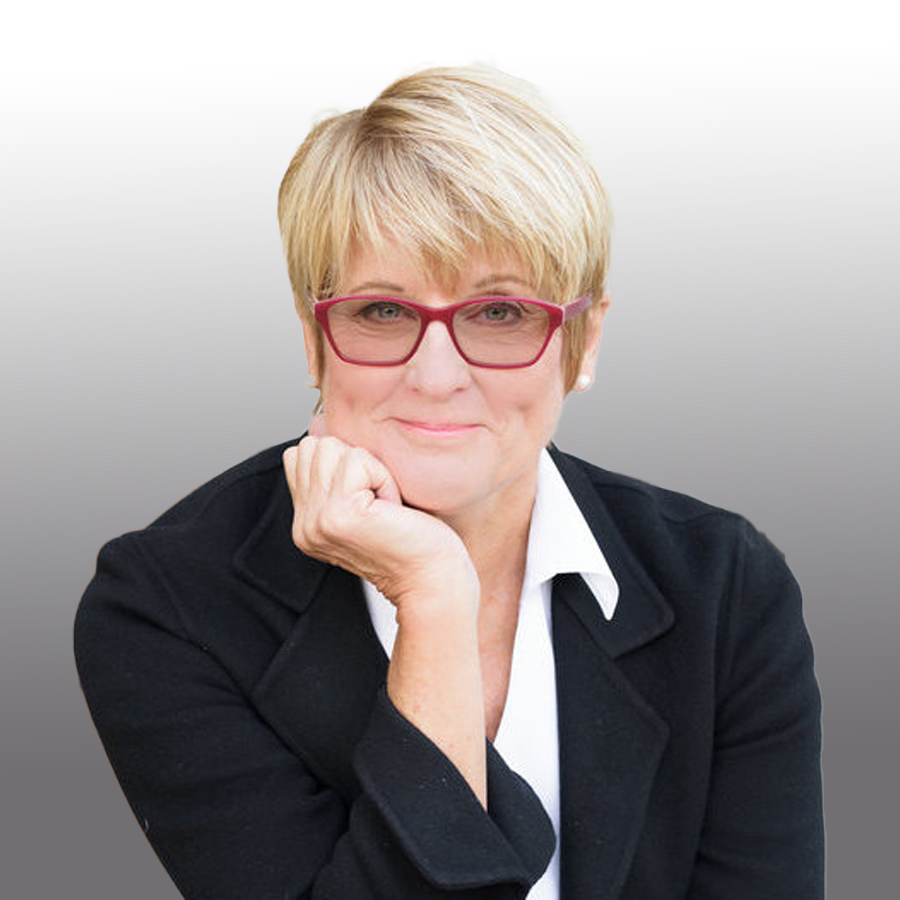
Dr. Gominak attended college in California and medical school at Baylor College of Medicine in Houston, receiving her M.D. in 1983. She completed a neurology residency in 1989 at the Harvard-affiliated Massachusetts General Hospital in Boston. From 1991-2004 she practiced as a general neurologist in the San Francisco Bay area. In 2004, she moved with her husband to Tyler, Texas, and began to concentrate on treating neurological illness by improving sleep. She published a pivotal article in 2012 proposing that the global struggle with worsening sleep was linked to reduced sun exposure. In 2016, she followed with a second article linking the change in the intestinal microbiome to the epidemic of poor sleep, and described a simple process for normalizing sleep and the intestinal bacterial population, called RightSleep®.
In 2016, she retired from office practice to have more time to teach. She currently divides her time between teaching individuals through virtual coaching sessions and teaching clinicians from a wide variety of medical and dental fields. Her popular courses and lectures help clinicians improve their patients’ health and well-being by improving their sleep.
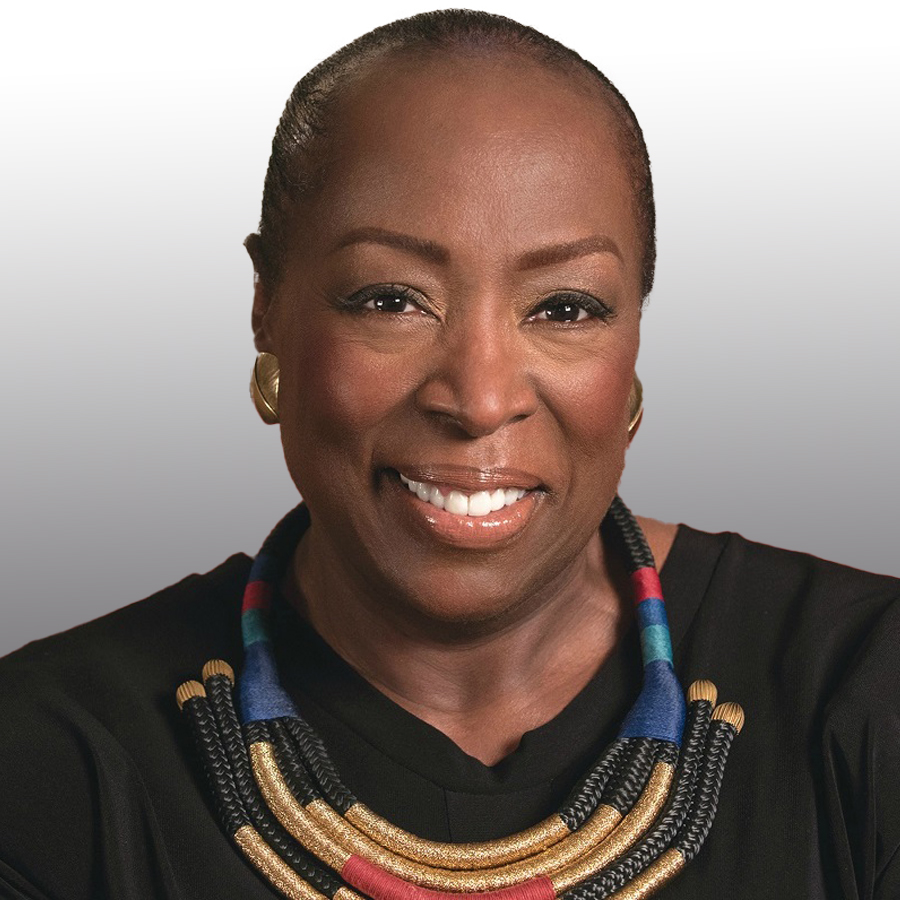
Sheila Thorne is a cross-cultural education specialist with specific expertise in diverse global cultures. For more than two decades, she has worked with health care professionals throughout North America, Latin America, and Western Europe. She advises the top 50 pharmaceutical, biotech, and medical-device companies, and 20 U.S. hospital systems in the clinical research and marketing of prescription medicines and consumer health products to people of color. She is also an associate clinical professor at Stony Brook University School of Social Welfare; adjunct professor in the physician assistant program at Quinnipiac University School of Medicine; an annual guest lecturer on ethnic media relations at the New York University Department of Media, Culture, and Communication; and lecturer on cultural competency in health care at Rutgers Robert Wood Johnson Medical School.

Jan Lewis Brandes, MD, MS, holds an appointment as an assistant clinical professor in the Department of Neurology, Vanderbilt University School of Medicine, and is the founder and director of the Nashville Neuroscience Group, both in Nashville, Tennessee. After finishing her medical degree at Vanderbilt University School of Medicine, she completed her postgraduate education in neurology, serving as chief resident. Her earlier graduate work centered on molecular virology, as a Fulbright Scholar at the Robert Koch Institute of Virology, Free University of Berlin, and at the University of Tennessee, Knoxville, where she earned a master’s degree in microbiology. She holds board certification from the American Board of Psychiatry and Neurology and has been UCNS-certified in headache medicine.
Dr. Brandes has served as the principal or co-principal investigator in more than 100 clinical trials for headache management. She has authored more than 150 publications in peer-reviewed journals, and her most recent focus has been on expanding enrollment in pregnancy registries, particularly those related to the use of CGRP monoclonal antibodies during pregnancy, and in education regarding hormonal management of migraine.
Dr. Brandes served on the board of directors of the National Headache Foundation for more than a decade, where she was involved in educational programming and patient advocacy. She is a past fellow of the Academy of Neurology, and of the American Headache Society, where she served on the board of directors. She also is the past president of the American Council for Headache Education.
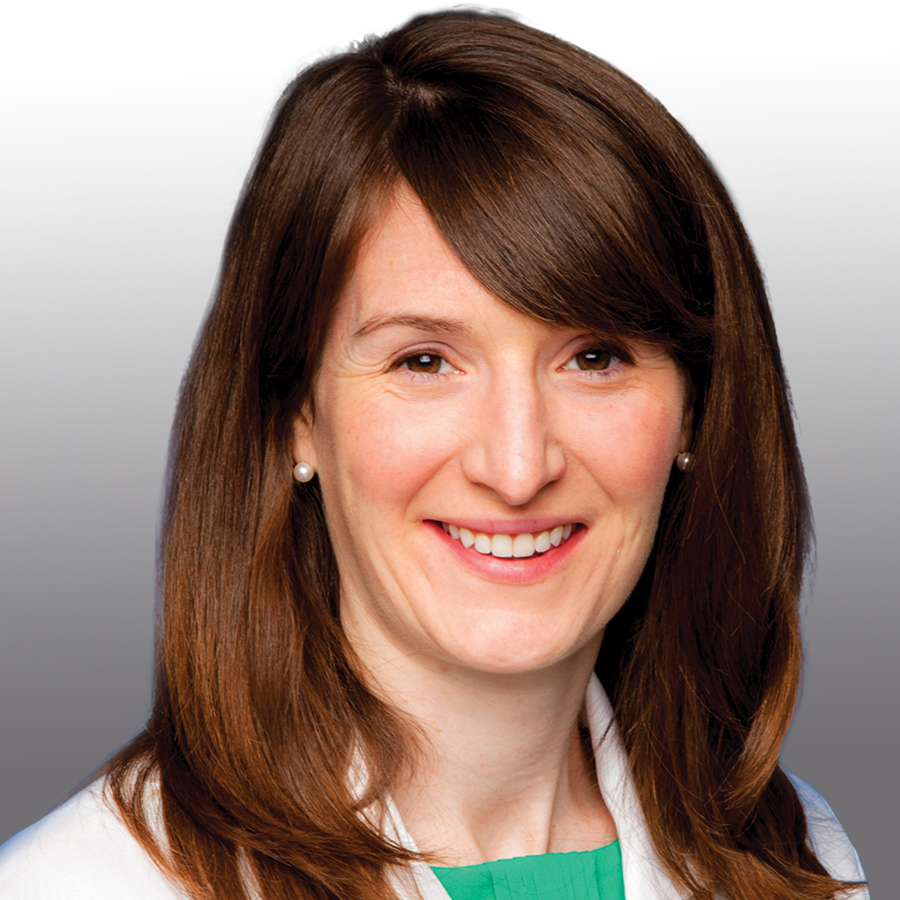
Carrie Dougherty, M.D., is an associate professor of neurology and program director of the headache medicine fellowship at MedStar Georgetown University Hospital in Washington, D.C. She received her medical degree from Indiana University School of Medicine, followed by an internship at NorthShore University HealthSystem in Evanston, IL. Dr. Dougherty completed her neurology residency at Georgetown University Medical Center in Washington, D.C., followed by a fellowship in headache medicine at Thomas Jefferson University in Philadelphia, PA. She is board certified in neurology, with subspecialty certification in headache medicine.
Dr. Dougherty is a fellow of the American Headache Society and serves as a member of the guidelines committee and the Scottsdale Headache Symposium planning committee. She is a 2019 graduate of the AHS Emerging Leaders Program. She is on the board of the Southern Headache Society and the Alliance for Headache Disorders Advocacy. She is committed to improving the lives of her patients through her clinical work, as well as through education and advocacy.
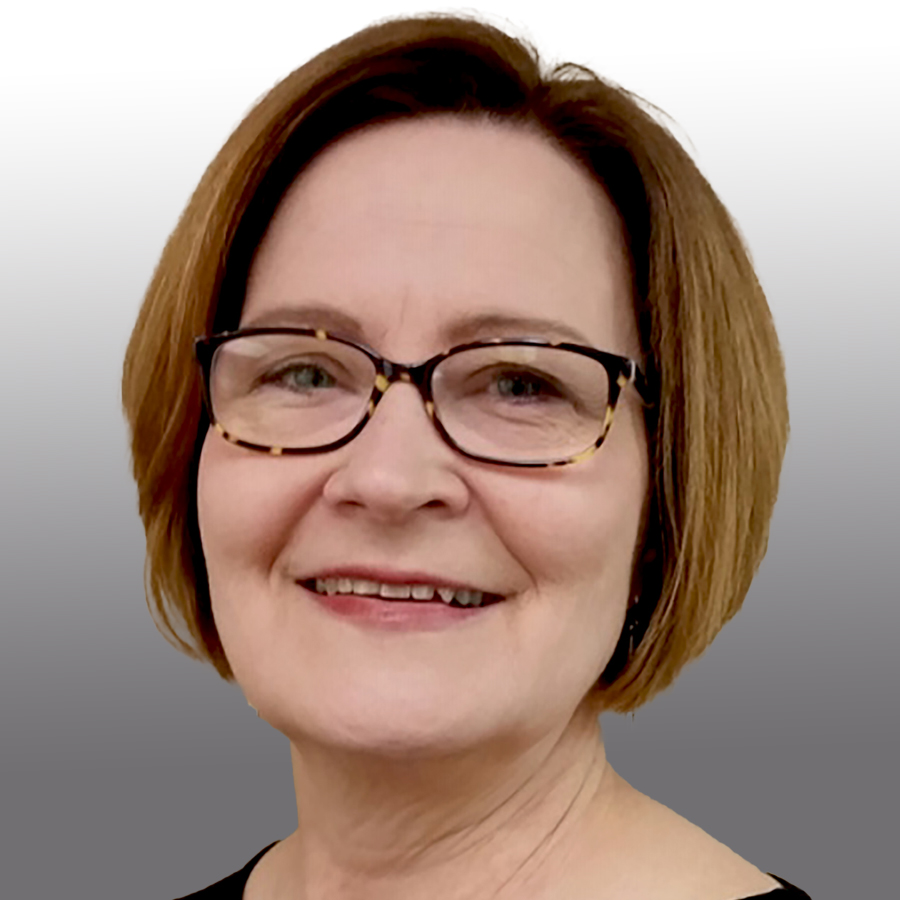
Melanie Whetzel is the lead consultant of the Cognitive/Neurological Team with the Job Accommodation Network (JAN). She joined the JAN staff as a consultant in February 2008. She has a 14-year history of teaching and advocating for students with disabilities in the public school system. Melanie holds a Master of Arts degree in special education, a Bachelor of Arts degree in English, and has earned 60 credit hours above master’s level. Her post-graduate work has been primarily focused on special education. She most recently completed a graduate certification in Career Planning and Placement for Youth in Transition, and became a certified brain injury specialist in December 2014. As the lead consultant on the Cognitive/Neurological Team, Melanie specializes in learning disabilities, mental impairments, developmental disabilities, autism spectrum disorders, and brain injuries. She presents nationally on these topics, and has authored several publications.
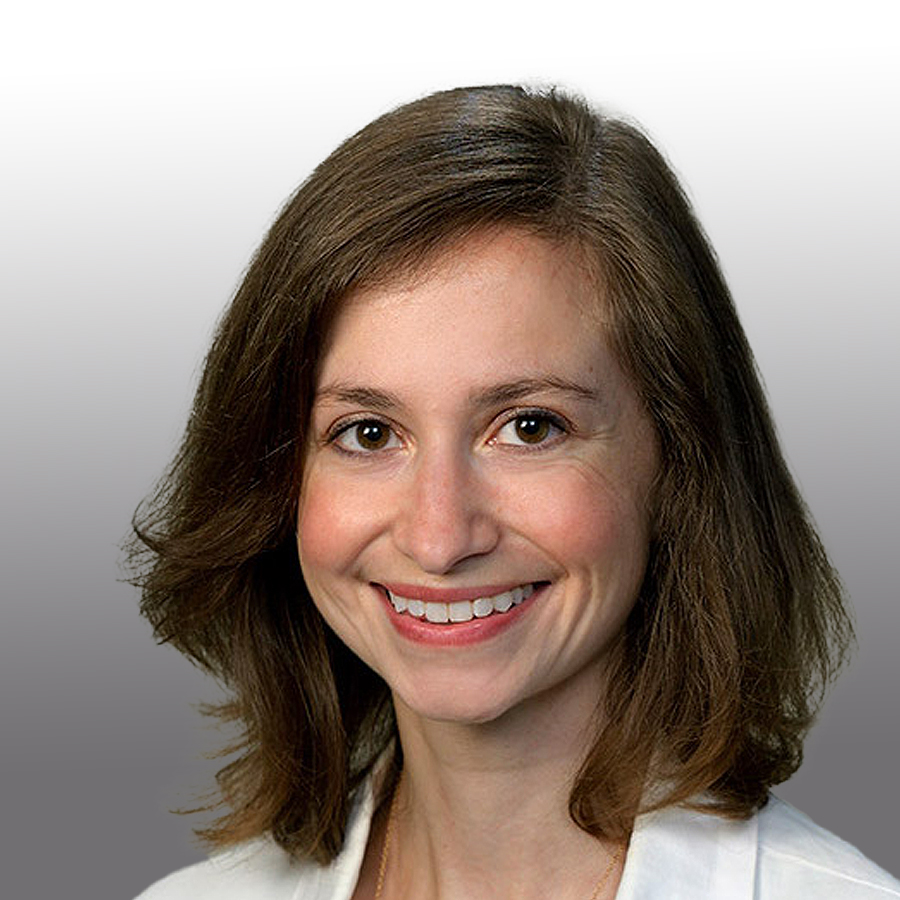
Katherine Hamilton, M.D. is a board-certified neurologist and headache specialist. She is an assistant professor in clinical neurology at Penn Medicine, and affiliated with the Hospital of the University of Pennsylvania. She specializes in the treatment of adults with headache disorders. She has published several research papers in medical journals and is a member of the American Headache Society. Her interests include improving systems of care, patient advocacy, women’s health, and integrative medicine.

Shin C. Beh, MD, is the founding director of the Beh Center for Vestibular & Migraine Disorders, a clinic specializing in the treatment of otoneurological disorders and migraine. He was an assistant professor of neurology and established the Vestibular & Neuro-Visual Disorders Clinic at UT Southwestern Medical Center in Dallas before he founded the Beh Center for Vestibular & Migraine Disorders in Irving, Texas.
Dr. Beh is the author of Victory Over Vestibular Migraine, The Migraine Manual: Understand & Heal Your Migraine Brain, and Disembark: Overcoming Mal de Debarquement Syndrome; he is also the co-author of The Mediterranean Migraine Diet. Dr. Beh’s research interests include vestibular migraine and various other neuro-otologic disorders including persistent postural-perceptual dizziness (PPPD) and mal de débarquement syndrome (MdDS). He has published many scholarly articles and book chapters, and presented nearly 40 abstracts and lectures related to his specialty.
Interviews from Shin Beh, MD
Understanding Vestibular Migraine

Tissa Wijeratne (MD, FRACP, FRSM, FAAN, FAHA, FRCP) is the chair of the department of neurology at Western Health, Melbourne, Australia. He is the director of academic medicine, director of international affairs, a senior neurologist, and the director of the stroke unit, neuroscience research unit, movement disorders program, and headache program at Western Hospital, Melbourne. Dr. Wijeratne has published 216 papers to date. He has presented more than 200 international lectures (brain-health related) in various parts of the world. His biggest contribution to the world is the 300+ physicians he trained throughout his career to date.
He led the historic first ever World Brain Day campaign (World Federation of Neurology/International Headache Society collaboration) on migraine, The Painful Truth of Migraine, with over 75 million people from all over the world embracing this historic campaign throughout 2019. Dr. Wijeratne is also the global chair of the Migraine Special Interest Group at the World Federation of Neurorehabilitation, the global chair for Public Awareness and Advocacy at the World Federation of Neurology and founder and chair of the Migraine Foundation.

Dr. Sait Ashina is an assistant professor of neurology and anesthesia at Harvard Medical School, as well as the director of the Comprehensive Headache Center at Beth Israel Deaconess Medical Center. He is a prolific researcher and is board certified in neurology and headache medicine. Dr. Ashina is a member of the education and classification committees of the International Headache Society. He serves on the advisory board for The Journal of Headache and Pain, and is associate editor of Neurology Reviews and BMC Neurology.
Interviews from Sait Ashina, MD
When Migraine Starts or Stays in Your Neck
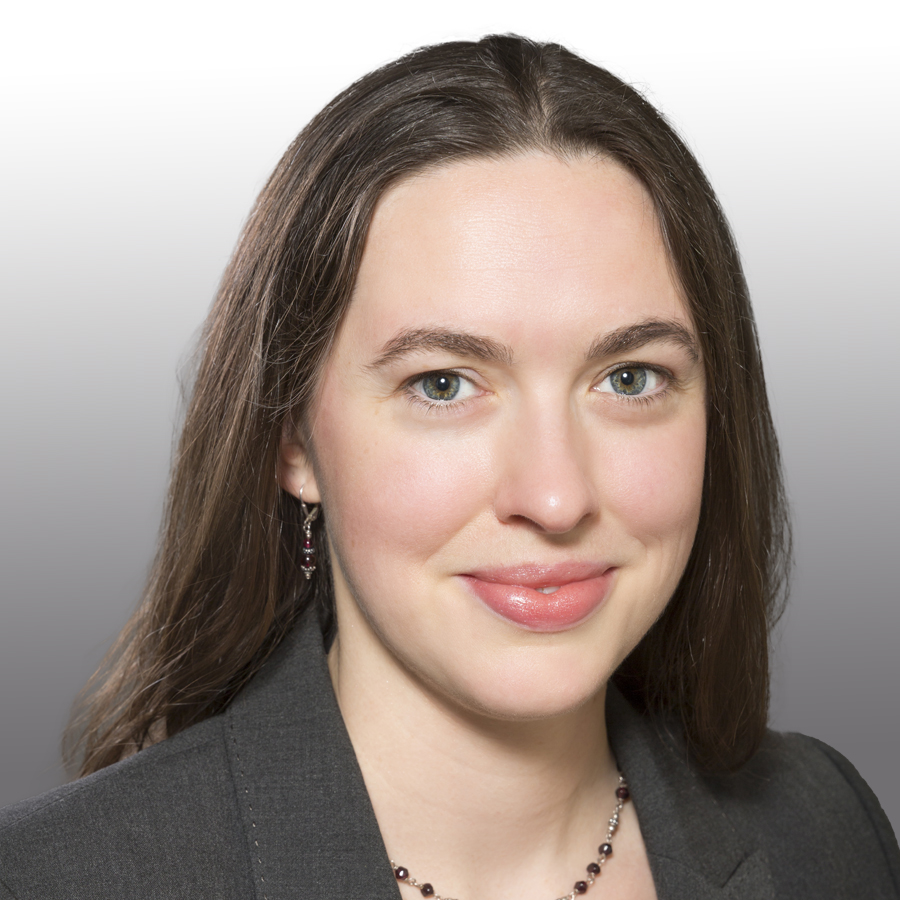
Dr. Burch is a fellowship-trained, board-certified headache medicine specialist at the University of Vermont Medical Center, where she also serves as fellowship director. Dr. Burch received her M.D. from the University of Massachusetts Medical School and completed her neurology residency at Boston Medical Center. Having a family history of headache, she was drawn to headache medicine for its psychosocial component and the opportunity it presents to develop longitudinal relationships with patients. She completed a fellowship in headache medicine at Harvard Medical School/Brigham and Women’s Faulkner Hospital prior to joining the faculty and later serving as fellowship director.
She has served on the board of directors of the American Headache Society and the Headache Cooperative of New England, where she also served as educational co-director. Dr. Burch also serves as an associate editor for the journal Neurology, overseeing general neurology papers including those on headache, pain, and traumatic brain injury. Her research interests include headache epidemiology, preventive treatment of migraine, and women’s health.
Interviews from Rebecca C. Burch, MD, FAHS
Tension Headache or Migraine? Differences and Misdiagnoses
Juggling Multiple Conditions With Migraine

Dr. Dale Bond is a professor of psychiatry and human behavior at The Miriam Hospital and the Brown Alpert Medical School. He received M.S. and Ph.D. degrees in health promotion and education at Purdue University and the University of Utah, respectively, and completed postdoctoral training in behavioral medicine at Brown Alpert Medical School. His research involves two principal areas: (1) assessing and intervening on energy balance behaviors and related mechanisms in the context of bariatric surgery and obesity; and (2) assessment and treatment of psychological and behavioral risk factors and comorbidities among individuals who have migraine.
Dr. Bond has been awarded grants from the National Institute of Health (NIH) and other organizations to conduct prospective studies and randomized trials pursuant to advancement of these areas. He has received scientific honors/awards from the Association of Migraine Disorders and the American Society of Metabolic and Bariatric Surgery. He also sits on the editorial boards for multiple obesity-related journals, is a member of several committees for the American Society for Metabolic and Bariatric Surgery (ASMBS) and International Federation for the Surgery of Obesity and Metabolic Disorders (IFSO), was a recent member of the NIH Behavioral Interventions and Outcomes study section, and is a research mentor within the NHLBI T32 Postdoctoral Training in Cardiovascular Behavioral Medicine Program at The Miriam Hospital and Brown University.
Interviews from Dale Bond, PhD
How Weight Affects Migraine Disease

Dr. Peter McAllister is board certified in neurology and headache medicine. He is the medical director of the New England Institute for Neurology and Headache and chief medical officer of the New England Institute for Clinical Research and Ki Clinical Research in Stamford, Connecticut.
Dr. McAllister is an associate professor of neurology at the Yale University School of Medicine and clinical professor of neurology and anatomy at the Frank H. Netter School of Medicine at Quinnipiac University. He is a fellow of the American Academy of Neurology and an executive board member of the Headache Cooperative of New England.
He is recognized as a “Top Neurologist” by U.S. News & World Report and also listed as a “Top Doc” in Connecticut, metropolitan New York City, and Fairfield County.
Dr. McAllister lectures internationally, has been a principal investigator on over 350 clinical trials, and has authored more than 100 articles and book chapters in the lay and scientific press.