
Mindfulness-Based Stress Reduction
You are currently watching a preview of this interview. Unlock the full version by upgrading to an Access Pass bundle! Get FREE access to 8 expert interviews from Day 1 and Day 2 when you register today!
Key Questions
- What is neuroplasticity?
- How does mindfulness meditation help with headache disorders?
- Are there any negative side effects of mindfulness meditation?
- Is mindfulness meditation based on religion?
- What is the difference between mindfulness and meditation?
- How does meditation change the brain?
- What is the role of stress in migraine disease and what is the impact of mindfulness meditation?
- Is there evidence that mindfulness meditation can help with migraine disease?
- When should a person living with migraine disease consider mindfulness meditation?
Interview Notes
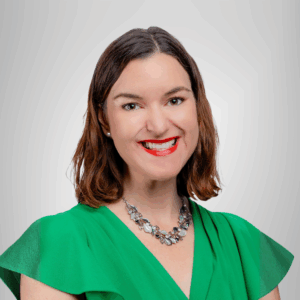
Rebecca Erwin Wells, MD, MPH, FAHS, FAAN
Professor
Wake Forest University School of Medicine
Dr. Rebecca Erwin Wells is a professor of neurology and social sciences and health policy, with tenure at Wake Forest University School of Medicine and Atrium Health Wake Forest Baptist in Winston-Salem, NC. In 2012, she founded their Comprehensive Headache Program, which she has continued to direct. She graduated with highest honors on a full academic scholarship from UNC-Chapel Hill, received her MD from East Carolina-Brody School of Medicine, completed a neurology residency at University of Virginia, and obtained her Master of Public Health (MPH) from Harvard University. She also completed fellowships in integrative medicine and headache medicine from Harvard.
Dr. Wells currently serves as immediate past president of the Southern Headache Society. She is on the board of directors of the American Headache Society (AHS), and is a fellow of the AHS and the American Academy of Neurology (AAN). She received the AHS’s Above and Beyond Award for her service as co-chair of the AHS Diversity, Equity, and Inclusion (DEI) Task Force. She received the AHS Early Career Lecture Award for her research on the patient voice in migraine and the AAN’s Harold Wolff-John Graham Award for recognition of her outstanding achievements in headache/facial pain research. Her National Institutes of Health (NIH)-funded research investigates the mechanisms and efficacy of mind/body treatments for headache, which often receives media attention, including interviews with Time magazine, NPR, BBC News, The Boston Globe, and Prevention magazine.
She also conducts research evaluating the genetics of cluster headache, and presents to national and international audiences as an expert in headache, mind/body, and integrative medicine. She has received funding from the NIH, the National Headache Foundation, and the American Pain Society for her research. As a trained mindfulness meditation instructor, she led mindfulness sessions virtually with worldwide participants during the pandemic.

Go Beyond the Free Summit Interviews
- Full-length expert interviews beyond the 30-minute edits
- Revisit any 2026 session anytime
- Transcripts and audio downloads included
- Review insights before medical appointments
Related Talks for: Day 6 (2020) Alternative Treatments
Supplements and Natural Alternatives
Alexander Mauskop, MD
CBD Oil for Migraine
Stephen Silberstein, MD


Food and Nutrition For Migraine
Cynthia Armand, MD
Non-Drug Options
Elizabeth Leroux, MD, FRCPC
Miles for Migraine is a registered 501(c)(3) nonprofit organization with the mission of improving the lives of people with migraine and other headache disorders, and their families, by raising public awareness about this disease, and helping to find a cure. Miles for Migraine produces fun walk/run events, typically a 2-mile walk and 5K and 10K races to raise money for migraine research. We also host adult education days, and a youth program for kids and teens impacted by migraine and other headache disorders.

Comfortable and easy-to-use, the FDA-Cleared CEFALY Dual device stimulates and desensitizes the area research identifies as a center for migraine pain, the trigeminal nerve.
Since CEFALY is not a drug, it can be used as a standalone option or with an existing treatment. The ACUTE setting is clinically proven to stop or reduce migraine pain during an attack. With compliant daily use, the PREVENT setting is clinically proven to reduce the frequency of migraine days.
Note the most important information shared in each interview. Keep track of what you need to remember, do and share this year. Only available to those who have registered by email and remain logged in.
