
Migraine in Older Adulthood: What Really Changes?
You are currently watching a preview of this interview. Unlock the full version by upgrading to an Access Pass bundle! Get FREE access to 8 expert interviews from Day 1 and Day 2 when you register today!
Key Questions
- What are the most common misconceptions about migraine disease in older adults?
- Do migraine symptoms change as people age?
- How does a provider differentiate between a change in migraine symptoms and a new or worsening condition like a stroke?
- Why are older patients frequently excluded from research studies?
- Should providers withhold treatments due to a lack of data for a particular age group?
- What considerations should be taken when prescribing headache or migraine medications for older patients?
- How should a history of stroke, heart attack, or heart disease influence the selection of headache or migraine medications?
- Do patients often present with headache or migraine symptoms for the first time in their 60s or 70s?
- What can migraine patients in their 30s, 40s, and 50s do now to prepare for aging with migraine?
- How can older patients who defer to providers learn to be partners in their care?
Interview Notes
- Robert P. Cowan, MD, FAAN, FAHS
- Annika Ehrlich, DNP, FNP-C, CNRN, AQH
- Deborah Friedman, MD, MPH, FAAN, FAHS
- Nina Riggins MD, PhD, FAAN, FAHS, FANA, UCNS Diplomate
Treatments Mentioned
- Antidepressants
- CGRP small-molecule receptor antagonists (gepants)
- CGRP monoclonal antibodies (mAbs)
- DHE (dihydroergotamine)
- Lasmiditan (Reyvow)*discontinued in 2025
- Occipital nerve blocks
- OnabotulinumtoxinA (Botox)
- Rofecoxib (Vioxx)
- Triptans
Find 300+ treatments in our full Treatment Directory — available with a VIP Access Pass.
For additional links and resources, click here.
Disclaimer: The Migraine World Summit aims to bring you a variety of perspectives and expertise, free from bias or judgment. Alternative theories presented in this video have not been medically reviewed. Views expressed in this interview do not necessarily represent the views of the Migraine World Summit. Please always consult your health care professional and do your own research before making changes to your treatment plan. Captions are auto-generated and may contain errors.
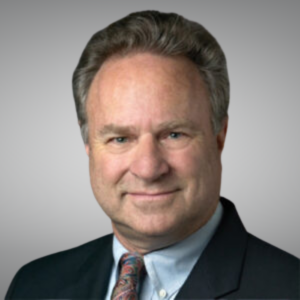
Robert P. Cowan, MD, FAAN, FAHS
Director of Research
Headache and Facial Pain Program, Stanford University
Dr. Robert P. Cowan is a clinical professor of neurology, and director of research at the Headache and Facial Pain Program, Division of Headache Medicine at Stanford. He is board certified in neurology and pain medicine, with a subspecialty certification in headache medicine. Dr. Cowan has held several nationally elected positions, including chair of multiple sections for the American Headache Society (AHS).
He is the past president of the Headache Cooperative of the Pacific and was the founding chief of the headache division in the Department of Neurology at Stanford, and before that, at the Keck School of Medicine of USC (University of Southern California). He is a fellow of the American Academy of Neurology and the AHS. He has served on the boards of the Alliance for Headache Disorders Advocacy and the now-defunct American Headache and Migraine Association. He has published over 200 articles, chapters, abstracts, and posters and is the author of The Keeler Migraine Method.
Interviews from Robert P. Cowan, MD
Unofficial Side Effects of CGRP Monoclonal Antibodies
Long-Term Effects of New Migraine Medications
Why Most Doctors Get the Diagnosis Wrong
Best Natural, Affordable and Free Treatments
Migraine Causes & Triggers

Go Beyond the Free Summit Interviews
- Full-length expert interviews beyond the 30-minute edits
- Revisit any 2026 session anytime
- Transcripts and audio downloads included
- Review insights before medical appointments
Related Talks for: Day 6 (2026)


Helping Kids & Teens Manage Migraine
Christina L. Szperka, MD, MSCE, FAHS

Navigating U.S. Social Security & Private Disability Options for Migraine
Stacy Monahan Tucker, JD

How Location & Lifestyle Influence Migraine Triggers
Tsubasa Takizawa, MD, PhD

The Global Healthy Living Foundation is a 501(c)(3) nonprofit organization whose mission is to improve the quality of life for people with chronic illnesses (such as arthritis, osteoporosis, migraine, psoriasis, asthma, alopecia, inflammatory bowel disease, and cardiovascular disease) by advocating for improved access to health care at the community, state, and federal levels, and amplifying education and awareness efforts within its social media framework.

As an integrated healthcare, pharmacy and retail leader serving millions of customers and patients every day, we play a critical role in the healthcare ecosystem.

Looking for a topic not covered this year? Explore our Interview Library with 300+ expert talks. Search by keywords or synonyms for the best results. Get lifetime access to past interviews today!
