
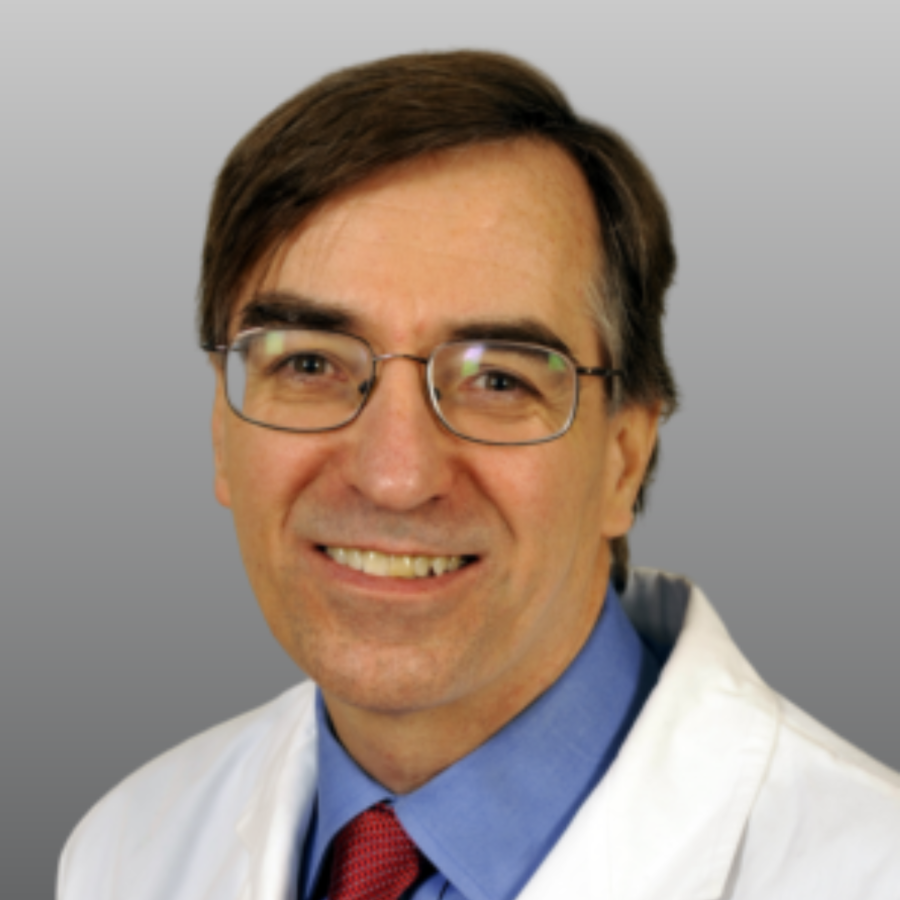
James Nicholas Baraniuk, MD, is an associate professor with tenure in the Department of Medicine at Georgetown University. He is also the director of the Chronic Pain and Fatigue Research Center, located within the Georgetown University Medical Center in Washington, D.C. The Chronic Pain and Fatigue Research Center does research on chronic fatigue syndrome, Gulf War Illness, and other pain conditions. The research focuses on the areas of functional magnetic resonance imaging (fMRI); biomarker discovery through proteomic, metabolomic, and transcriptomic assays in blood and cerebrospinal fluid; autonomic testing and heart rate variability; and statistical analyses using machine learning, hierarchical clustering, and other data-mining methods.
Archives: Experts
Robert Bonakdar, MD

Dr. Robert Bonakdar received his M.D. from the University of Nevada School of Medicine and his undergraduate degree in psychobiology from Occidental College in Los Angeles. He received the Richter Fellowship for Independent International Research in the field of Southeast Asian health practices and studied in Singapore, Malaysia, Hong Kong, China, and Indonesia. He completed a clinical and research fellowship in integrative medicine at Scripps Clinic and has been the director of pain management at the Scripps Center for Integrative Medicine in La Jolla, Calif., since 2002.
In addition to family medicine, Dr. Bonakdar is certified in integrative medicine and headache medicine by the United Council for Neurologic Subspecialties (UCNS). He is a Fellow of the American Nutrition Association, and a member of the American Headache Society’s Complementary and Integrative Medicine Special Interest Section, where he has helped create patient education guides. He is active in nutrition research and novel approaches to migraine.
Interviews from Robert Bonakdar, MD
How Heavy Metals & Trace Elements Affect Migraine
Supplements & Foods That Ease Migraine
Katie MacDonald
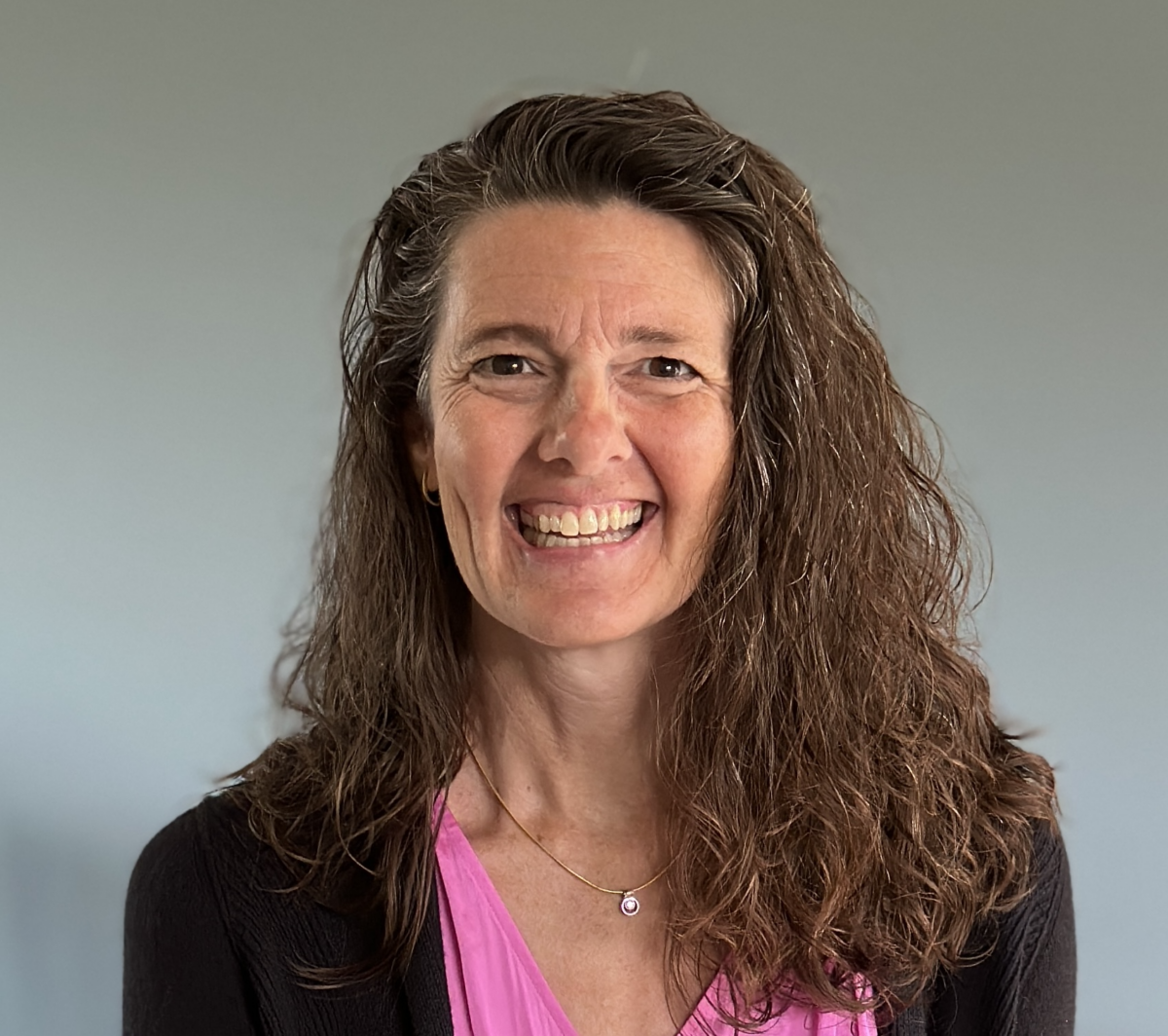
Katie MacDonald is the director of operations for the nonprofit Miles for Migraine and a longtime patient advocate living in Jericho, Vermont.
She was diagnosed with migraine 35 years ago and currently lives with chronic migraine. As a result of migraine, Katie left her leadership career in the corporate world in 2016. After a brief hiatus from the workforce, she started a new career with two migraine nonprofit organizations: Miles for Migraine and the Alliance for Headache Disorders Advocacy. For these organizations, she has worked on federal policy advocacy, raising funds for migraine research and fellowship programs, and reducing the stigma associated with migraine and headache disorders.
Walter Koroshetz, MD

Walter J. Koroshetz, M.D., has been the director of the National Institute of Neurological Disorders and Stroke (NINDS) since 2015. Dr. Koroshetz first joined NINDS in 2007 as deputy director and served as acting director from October 2014 through June 2015. As NINDS director, Dr. Koroshetz directs program planning and budgeting, and oversees the scientific and administrative functions of the Institute. He has held leadership roles in many National Institutes of Health (NIH) and NINDS programs, including the NIH’s Brain Research through Advancing Innovative Neurotechnologies (BRAIN) Initiative, the NIH Blueprint for Neuroscience Research, the Traumatic Brain Injury Center collaborative effort between the NIH Intramural Research Program and the Uniformed Services University, and the establishment of the NIH Office of Emergency Care Research. Additionally, Dr. Koroshetz is a member of the Interagency Pain Research Coordinating Committee (IPRCC) and the Executive Committee for the NIH Pain Consortium.
Before joining NINDS, Dr. Koroshetz served as vice chair of the neurology service and director of stroke and neurointensive care services at Massachusetts General Hospital (MGH), and was a professor of neurology at Harvard Medical School. Dr. Koroshetz graduated from Georgetown University and received his medical degree from the University of Chicago. He trained in internal medicine at the University of Chicago and MGH. A major focus of his clinical research career was to develop measures that reflect the underlying biology of patient conditions.
Bert Vargas, MD
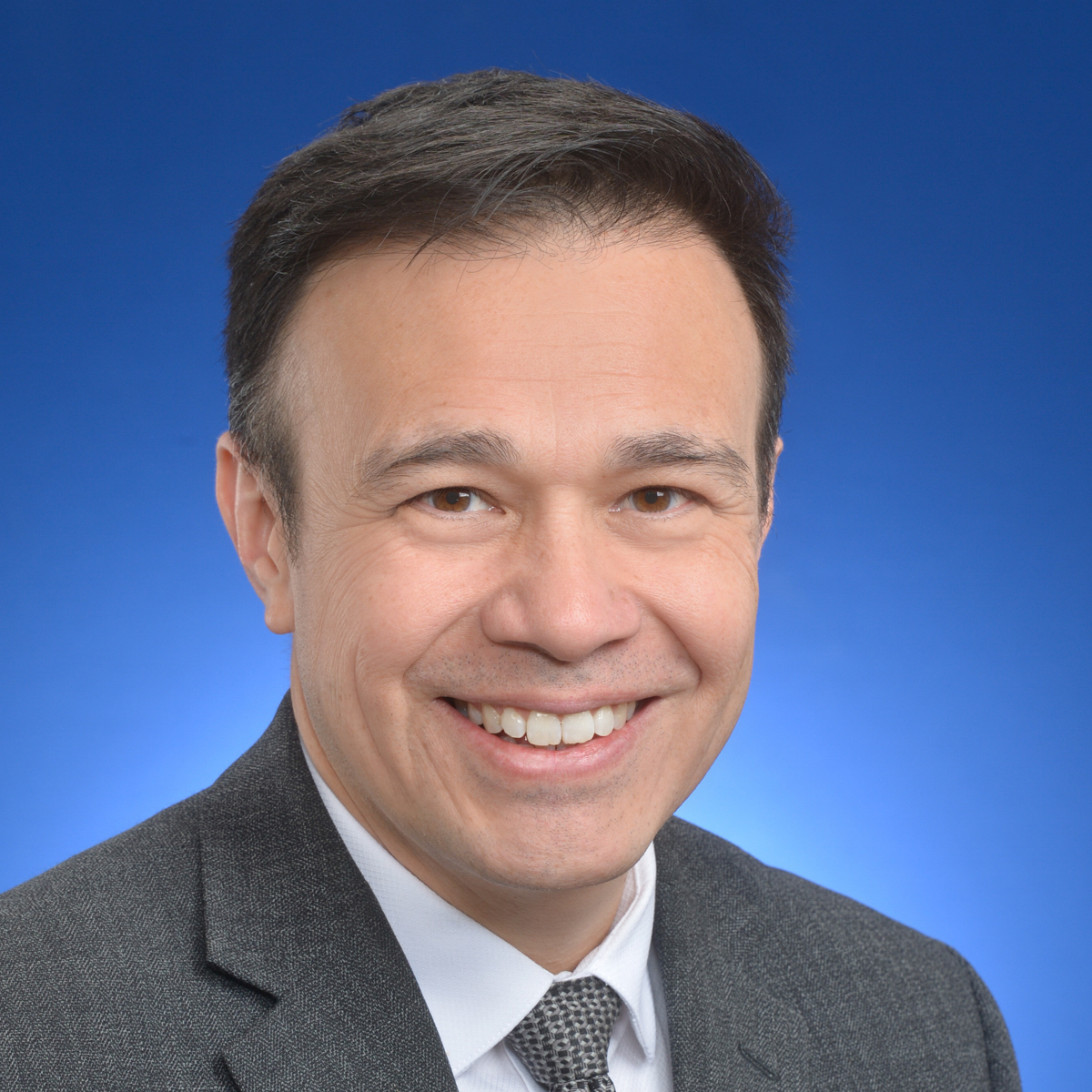
Bert Vargas, MD, is a neurologist and headache specialist who completed his undergraduate and medical school education at the University of Arizona. He then served for four years as a United States Air Force flight surgeon, after which he completed a residency in neurology at New York University. He returned to Arizona for his headache medicine fellowship at the Mayo Clinic in Arizona, where he remained for several years until moving his practice to Dallas and UT Southwestern.
He has also served on the board of directors of the American Headache Society, the Headache Cooperative of the Pacific, and the Southern Headache Society, and is a prior president of the Alliance for Headache Disorders Advocacy.
He is honored to have joined Lilly in January 2020 and is currently associate vice president of neuroscience, U.S. Medical Affairs and is based in Indianapolis.
Nazia Karsan, MRCP, PhD

Dr. Nazia Karsan is a neurologist currently working as a postdoctoral researcher within the Headache Group at King’s College London, led by Professor Peter Goadsby. She also facilitates a weekly children’s headache clinic at Great Ormond Street Hospital in London with Dr. Prab Prabhakar. In her current role, she sees, diagnoses, and treats primary headache disorders, including migraine and cluster headache, as well as other trigeminal autonomic cephalgias (TACs).
Her research focus is on understanding the neurobiology of primary headache disorders, particularly migraine, using experimental medicine and functional neuroimaging. In addition to pediatric and adolescent headache, she also has interests in characterizing the extended migraine phenotype and understanding the nonpainful manifestations of the disorder.
She was awarded the American Headache Society’s 2020 Early Career Award for her paper titled, “Alterations in Functional Connectivity During Different Phases of the Triggered Migraine Attack.” She has also been awarded the 2022 International Headache Society Headache Science Early Career Award.
Judith Owens, MD, MPH
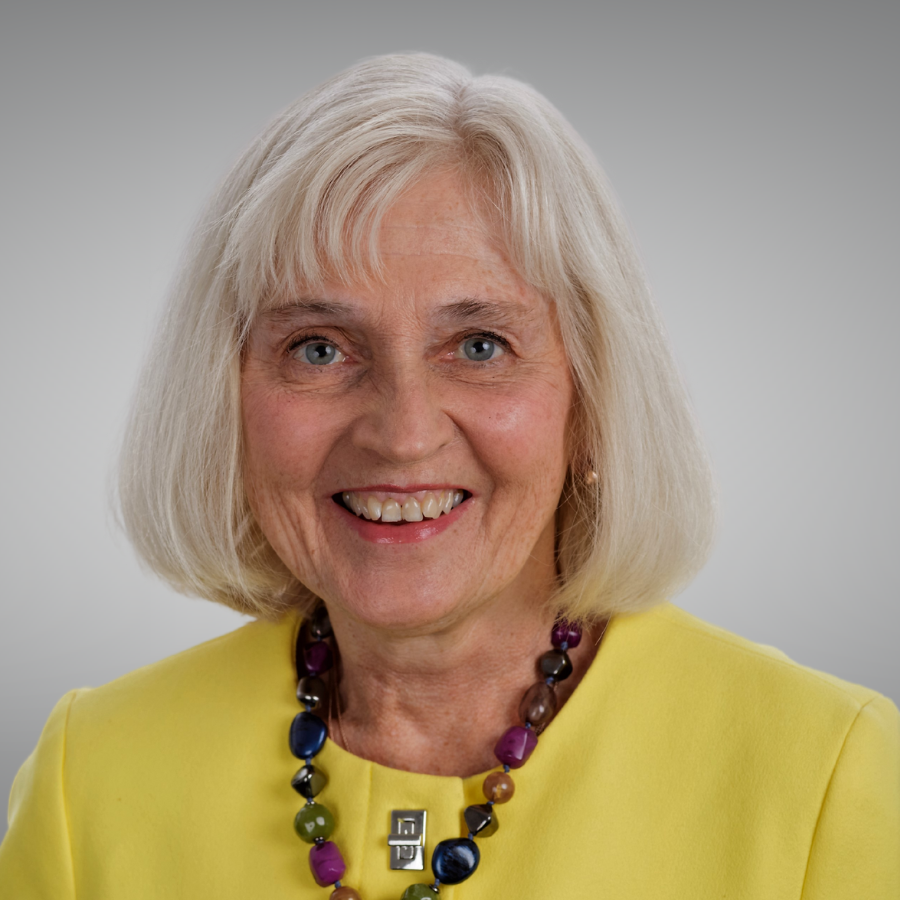
Dr. Judith Owens is a senior faculty member at the Pediatric Sleep Center at Boston Children’s Hospital in Massachusetts and a professor of neurology at Harvard Medical School. She is an internationally recognized authority on pediatric sleep and the author of over 175 original research and review articles in peer-reviewed journals, chapters, and books on the topic.
Her research interests focus on the neurobehavioral and health consequences of sleep problems in adolescents, including the role of school start times, sleep health education, and the cultural and psychosocial issues that impact sleep. She was the lead author of the American Academy of Pediatrics 2014 policy statement on healthy school start times and is on the board of directors of the national nonprofit organization Start School Later/Healthy Hours. She is currently president of the International Pediatric Sleep Association.
Dr. Owens received her undergraduate and medical degrees from Brown University and a master’s degree in maternal and child health from the University of Minnesota. She completed fellowships in behavioral pediatrics at Minneapolis Children’s Medical Center and in child psychiatry at Brown University.
Lauren R. Natbony, MD, FAHS
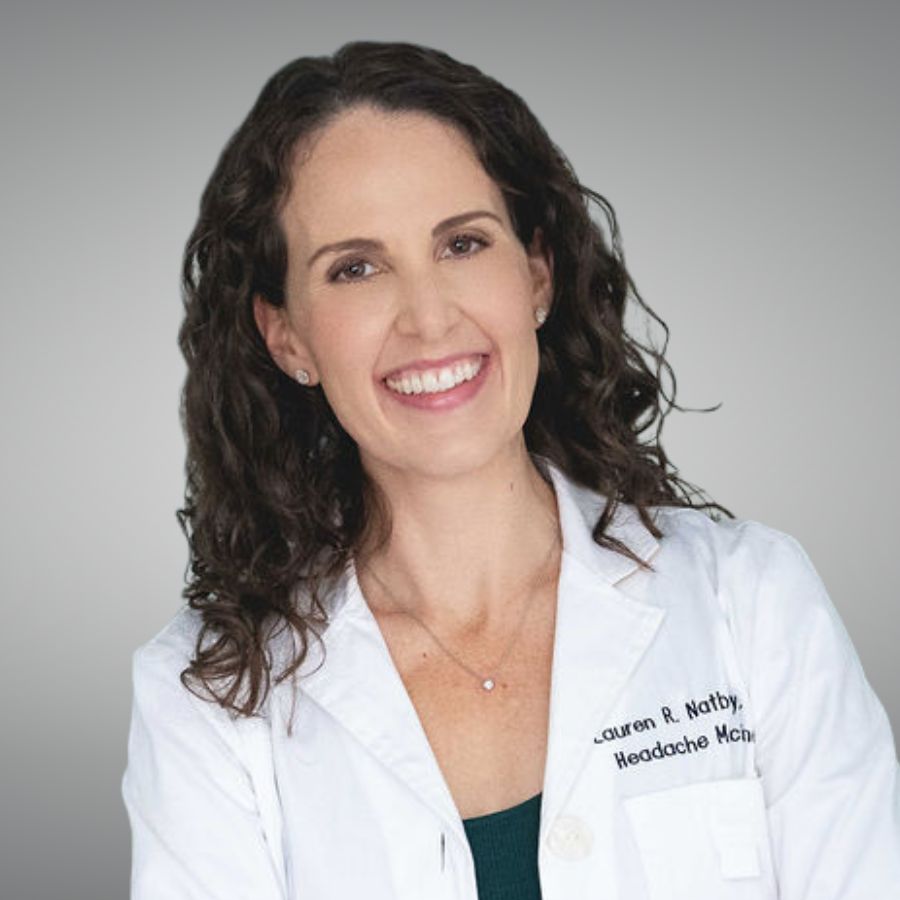
Lauren R. Natbony, MD, FAHS, is a board-certified neurologist and fellowship-trained headache specialist and the founder and medical director of Integrative Headache Medicine of New York. She is also an assistant clinical professor of neurology in the Division of Headache and Facial Pain at Mount Sinai’s Icahn School of Medicine.
Dr. Natbony received her undergraduate degree from Stanford University and her medical degree from the University of Miami Leonard M. Miller School of Medicine. Dr. Natbony completed her internship in internal medicine and residency in neurology at the University of Pittsburgh Medical Center, followed by a fellowship in headache medicine at the Icahn School of Medicine at Mount Sinai. She also received advanced training and certification in medical acupuncture at Harvard Medical School. She is board certified in neurology by the American Board of Psychiatry and Neurology, and in headache medicine by the United Council of Neurologic Subspecialties. Dr. Natbony has been named a fellow of the American Headache Society (FAHS), a reflection of her professional and scholarly achievements in headache medicine.
Dr. Natbony is a frequent speaker at national headache conferences and provides educational lectures to healthcare professionals worldwide to improve migraine and headache care. Her work can be found in multiple textbooks and peer-reviewed journals, including Headache and Current Pain and Headache Reports. Dr. Natbony conceptualized and authored the book Integrative Headache Medicine: An Evidence-Based Guide for Clinicians, which provides illuminating, evidence-based approaches for combining traditional medical therapies with alternative treatments for headache. Dr. Natbony is also a mother, an acupuncture and lifestyle medicine expert, and someone who experiences both migraine and headaches. Her practice focuses on empowering patients with integrative healing tools by creating individualized holistic treatment plans. Dr. Natbony has been a featured expert on the Today show, Self magazine, Good Morning America, Time magazine, and other media.
Bethany Ranes, PhD

Dr. Bethany Ranes specializes in bridging neuroscience and psychology by approaching mental health from the perspective of cognitive neuroscience. Her work focuses on translational science — taking new ideas discovered in laboratories and helping turn them into effective therapies that directly benefit patients. Her current passions involve working on brain-based therapies for chronic health conditions, with a particular focus on chronic pain.
In collaboration with fellow health professionals, Dr. Ranes works to help develop neuroscience-informed interventions for behavior change and nonpharmacological treatment options for conditions like depression, anxiety, diabetes, cardiovascular issues, and autoimmune disorders. She has previously worked as a lead research scientist for the UnitedHealth Group, the Hazelden Betty Ford Foundation, and the U.S. Army.
She currently serves as chief scientific officer for Healing Track — a digital version of pain reprocessing therapy — and she works as a consulting scientist for organizations and companies that wish to blend emerging science about the brain with accessible healthcare solutions in order to help bring a balanced mind-body approach to modern healthcare.
Jay Pasricha, MD, MBBS
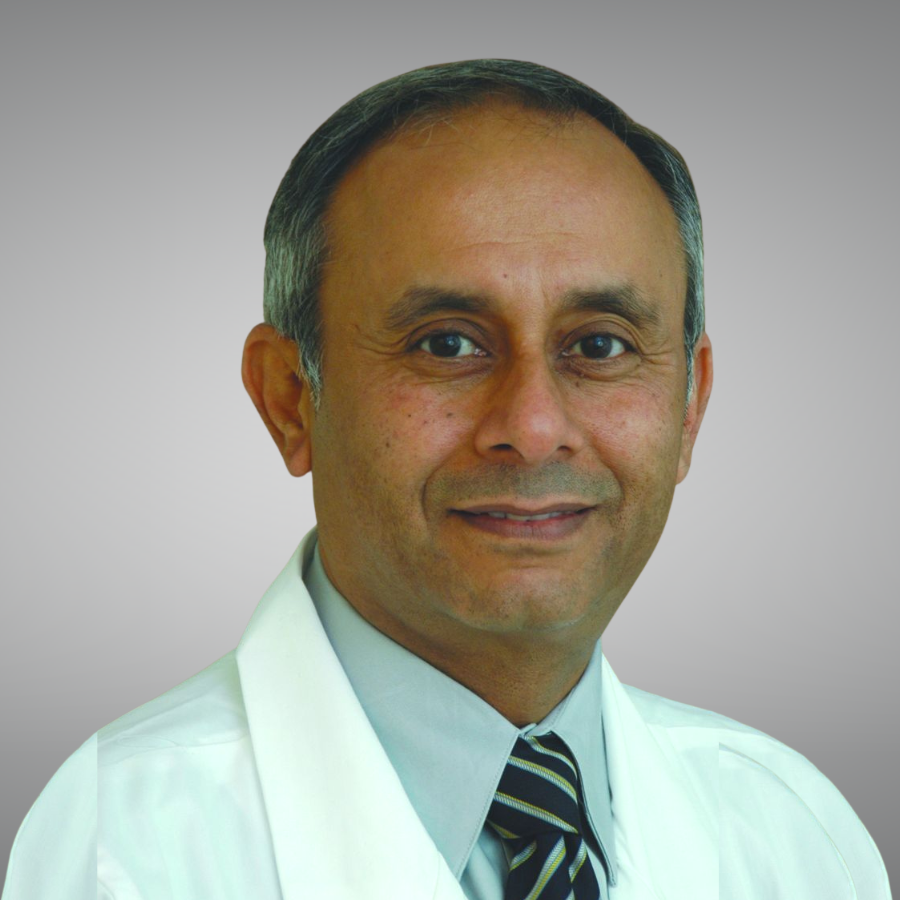
Dr. Pasricha is currently the chair of medicine at Mayo Clinic, Scottsdale, Arizona. Formerly he was the director of the Johns Hopkins Center for Neurogastroenterology; as well as the founder and co-director of the Amos Food, Body and Mind Center. In addition, he previously held appointments as professor in the Department of Neurosciences in the School of Medicine and at the Johns Hopkins Carey Business School.
At a national level, Dr. Pasricha is the chair of the National Institutes of Health–funded multi-center Gastroparesis Clinical Research Consortium. In the past, he served on the National Commission on Digestive Diseases, appointed by the United States Congress to provide a roadmap for progress in gastrointestinal disorders. He is also the founding chair of the Center for Gastrointestinal Innovation and Technology. Dr. Pasricha served on the Food and Drug Administration (FDA) GI Drug Advisory Committee for several years and continues to provide advice to the FDA on an ad hoc basis.
Dr. Pasricha has authored more than 300 manuscripts and book chapters and has been credited with more than 50 patents for novel gastrointestinal diagnosis and treatment methods. His extensive publications on the enteric nervous system and gut-brain axis have gained global attention. He has served as associate editor for publications including Gastroenterology, the Journal of Pediatric Gastroenterology and Nutrition, and Gastrointestinal Endoscopy, as well as acted as senior editorial advisor for Digestive Diseases and Sciences.
He has received the American Gastroenterological Association Master’s Award for Outstanding Sustained Achievement in Gastroenterology and the Nobility in Science Award from the National Pancreas Foundation. In addition, he has consistently been on Castle Connolly’s list of America’s “Top Docs,” as well as on the list of “Best Doctors” in America.
Emmanuelle Schindler, MD, PhD
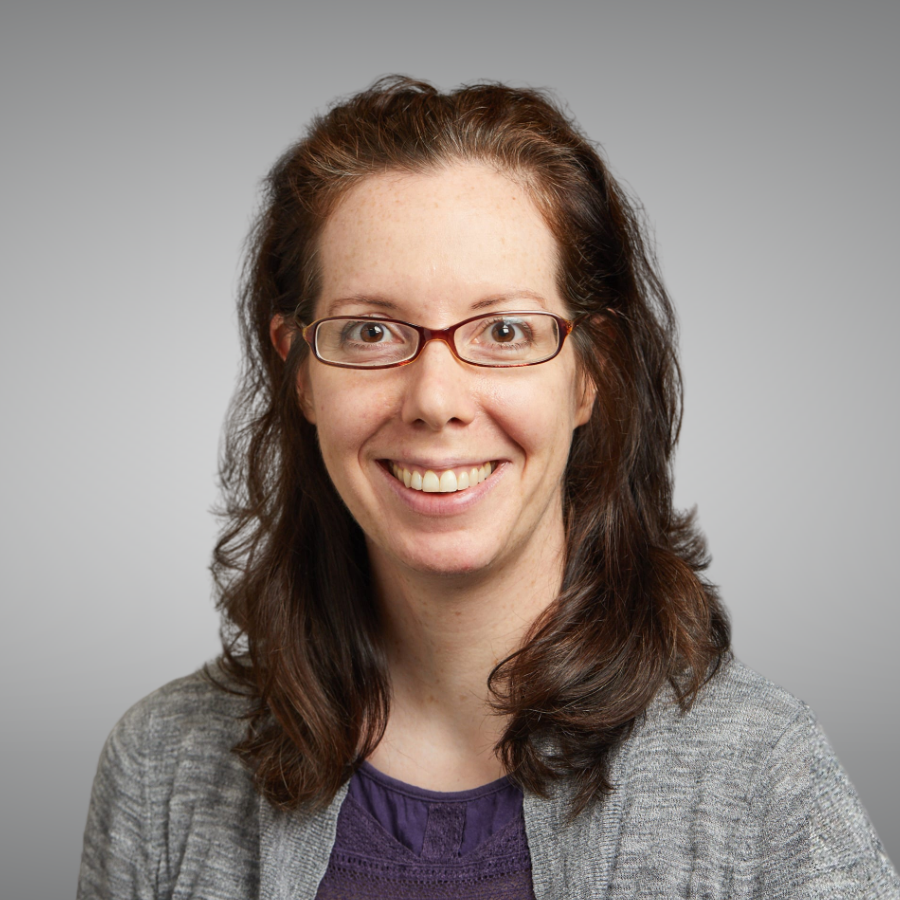
Dr. Schindler is a board-certified neurologist and headache medicine specialist at Yale School of Medicine in New Haven, Connecticut, and the medical director of the Headache Center of Excellence for the VA Connecticut Healthcare System. Among her efforts to optimize the management of headache disorders, she developed and executed the first studies seeking to understand the effects and mechanisms of action of psilocybin in cluster, migraine, and post-traumatic headache.
Previously, she studied the neuropharmacology of psychedelics and other serotonergic compounds in the context of receptor binding and intracellular signaling at Drexel University College of Medicine. She has published and presented on the biochemical, behavioral, neuropharmacological, neuroendocrinological, and therapeutic effects of psychedelics. Dr. Schindler remains at the forefront of headache medicine, and has won several awards for academic excellence. She has authored a number of publications and book chapters.
Alicia Wolf

Alicia Wolf is a cookbook author, recipe developer, and vestibular migraine advocate. She was diagnosed with chronic vestibular migraine in 2016. Originally a self-taught chef, she honed her skills by attending culinary immersion programs in Dallas, Texas; The Cook’s Atelier in Burgundy, France; and with Chef Lucia, a recipe developer for Chef Rocco DiSpirito. Alicia’s recipes have been featured by Yahoo!, Parade, mindbodygreen, and on local morning shows like Today and Good Morning Texas. She is a Vestibular Disorders Association Ambassador, and her advocacy work for vestibular migraine has been highlighted by Healthline, the American Migraine Foundation, Miles for Migraine, Self magazine, and Migraine Again.
Her first cookbook, The Dizzy Cook, was published in February 2020 and is an Amazon bestseller in the pain-management category. Her new cookbook, The Mediterranean Migraine Diet: A Science-Based Roadmap to Control Symptoms and Transform Brain Health, was created in partnership with her neurologist, Dr. Shin Beh. Both books are available almost everywhere books are sold.
