
Stopping Migraine Preventives: When, Why & How To Transition Off Safely
You are currently watching a preview of this interview. Unlock the full version by upgrading to an Access Pass bundle! Get FREE access to 8 expert interviews from Day 1 and Day 2 when you register today!
Key Questions
- What are the primary factors that lead individuals with migraine to discontinue a medication despite good efficacy?
- How are the ongoing benefits of a preventive medication weighed against potential burdens when tapering or discontinuing it?
- Which clinical benchmarks guide decisions about tapering or discontinuing preventive therapy?
- Are lifestyle habits, coping strategies, and support systems relevant when deciding whether to reduce or stop preventive therapy?
- What practical steps are involved in stopping or reducing treatment?
- What should patients know about fear of relapse when considering reducing or discontinuing preventive therapy?
- Do patients often remain on preventive medications without reassessing whether they can stop or reduce them?
- If a patient’s migraines worsen after stopping a preventive treatment, is it usually appropriate to restart the same medication?
- What information should a patient monitor between appointments to support effective conversations with their provider?
Interview Notes
- Matthew Robbins, MD
- LinkedIn: Matthew Robbins, MD, FAAN, FAHS
- American Headache Society (AHS)
- American Academy of Neurology
- International Headache Society
- European Headache Federation
Treatments Mentioned
- Beta-blockers
- CGRP inhibitors
- Duloxetine
- Eptinezumab (Vyepti)
- Nerve blocks
- Neuromodulation devices
- Nutraceuticals
- OnabotulinumtoxinA (Botox)
- Serotonin-norepinephrine reuptake inhibitor (SNRIs)
- Supplements
- Topiramate (Topamax)
- Valproate
- Venlafaxine
Find 300+ treatments in our full Treatment Directory — available with a VIP Access Pass.
For additional links and resources, click here.
Disclaimer: The Migraine World Summit aims to bring you a variety of perspectives and expertise, free from bias or judgment. Alternative theories presented in this video have not been medically reviewed. Views expressed in this interview do not necessarily represent the views of the Migraine World Summit. Please always consult your health care professional and do your own research before making changes to your treatment plan. Captions are auto-generated and may contain errors.
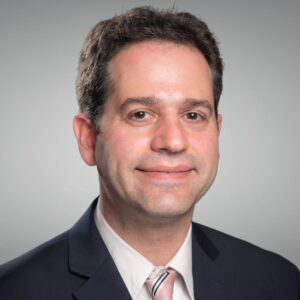
Matthew Robbins, MD
Associate Professor of Neurology & Residency Program Director
Weill Cornell Medicine, NewYork-Presbyterian Hospital
Dr. Robbins earned his bachelor’s degree from Yale University and his MD from SUNY-Downstate College of Medicine. He completed his neurology residency, chief residency, and headache fellowship at the Albert Einstein College of Medicine/Montefiore. He served on the faculty at Montefiore-Einstein for nearly a decade in roles including chief of neurology at the Jack D. Weiler Hospital and director of inpatient services for the Montefiore Headache Center. He joined Weill Cornell in 2018, where he is the neurology residency program director, the Louis and Rachel Rudin Foundation Education Scholar, and an associate professor of neurology.
Dr. Robbins is the president-elect of the American Headache Society (AHS) and codirects the AHS Resident Education Program. He is the president of the New York State Neurological Society. He has served on the editorial boards of multiple neurology journals, including Continuum and Headache, and has won teaching awards from the American Academy of Neurology, AHS, National Headache Foundation, Albert Einstein College of Medicine, and Weill Cornell. He recently was awarded the AHS Seymour Solomon Lecture Award for his career achievements in headache education.
He has led organizational initiatives related to headache, including guidelines, consensus statements, and quality measures. He is active in advocacy activities, including the Palatucci Advocacy Leadership Forum, serving multiple times as an adviser and faculty member.

Go Beyond the Free Summit Interviews
- Full-length expert interviews beyond the 30-minute edits
- Revisit any 2026 session anytime
- Transcripts and audio downloads included
- Review insights before medical appointments
Related Talks for: Day 4 (2026)


Navigating the Migraine Chaos That Begins During Perimenopause
Jan Lewis Brandes, MD

What the Science Says About Food & Migraine
Margaret Slavin, PhD, RDN

Migraine Prevention Compared: What Recent Research Shows
Jaclyn Duvall, MD
The Coalition For Headache And Migraine Patients (CHAMP) is an organization that provides support to people with headache, migraine and cluster diseases who are often stigmatized and under-served.

At AbbVie, we are committed to empowering people living with migraine disease. We advance science that enables health care providers to care for people impacted across the spectrum of migraine. Through education and partnerships with the migraine community, we strive to help those with migraine navigate barriers to care, access effective treatments and reduce the impact of migraine on their lives. To learn more, visit AbbVie.com.

Save time with a of key insights from every interview—save time and quickly grasp the essentials. Get the full details in the complete interviews. Available with a VIP or Boxed Set Pass.
