
Navigating the Migraine Chaos That Begins During Perimenopause
You are currently watching a preview of this interview. Unlock the full version by upgrading to an Access Pass bundle! Get FREE access to 8 expert interviews from Day 1 and Day 2 when you register today!
Key Questions
- How does hormonal activity during perimenopause affect migraine?
- Why does migraine often worsen during perimenopause and sometimes improve after menopause?
- How can an individual’s lifetime hormonal pattern — such as migraine during menstruation or pregnancy — inform migraine management during perimenopause and menopause?
- How can you tell if symptoms like brain fog, sleep disruption, and anxiety are due to migraine or perimenopausal changes?
- What is the main goal of hormone therapy for migraine during perimenopause, and which forms of administration are used?
- How important is the timing of hormone therapy, and when is the optimal time to begin?
- What is the significance of the FDA’s removal of the black box safety warning for hormone therapy for the migraine community?
- What non-estrogen options are available for managing vasomotor symptoms and migraine when hormone therapy is not an option, such as in migraine with aura?
- What strategies help patients seek effective treatment when providers themselves may not fully understand the interaction between migraine and hormonal transitions?
- What practical steps can help prevent symptoms from being dismissed as a normal part of aging by healthcare providers?
Interview Notes
- LinkedIn: Jan Lewis Brandes
- Study: “The role of estradiol withdrawal in the etiology of menstrual migraine”
- Study: “Migraines, vasomotor symptoms, and cardiovascular disease in the Coronary Artery Risk Development in Young Adults study”
- FDA press release: FDA Approves Labeling Changes to Menopausal Hormone Therapy Products
- Women’s Health Initiative
- International Headache Society
- The Menopause Society
- National Headache Foundation: Provider Finder
- American Headache Society
- Association of Migraine Disorders
- Miles for Migraine
Treatments Mentioned
- Antihypertensives
- CGRP monoclonal antibodies (mAbs)
- CGRP small-molecule antagonists (gepants)
- Combined oral contraceptives
- Diary (symptom tracking)
- Diet
- Hormone therapy (HT)
- Hydration
- Intrauterine devices (IUDs)
- Oral estrogen (Premarin)
- Progesterone-only contraceptives
- Progestin-only pills
- Propranolol
- Sleep hygiene
- Transdermal estrogen (patches and gels)
- Triptans
- Tubal ligation
Find 300+ treatments in our full Treatment Directory — available with a VIP Access Pass.
For additional links and resources, click here.
Disclaimer: The Migraine World Summit aims to bring you a variety of perspectives and expertise, free from bias or judgment. Alternative theories presented in this video have not been medically reviewed. Views expressed in this interview do not necessarily represent the views of the Migraine World Summit. Please always consult your health care professional and do your own research before making changes to your treatment plan. Captions are auto-generated and may contain errors.

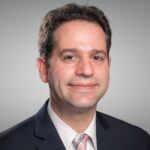
Jan Lewis Brandes, MD
Assistant Clinical Professor of Neurology | Founder
Vanderbilt University | Nashville Neuroscience Group
Jan Lewis Brandes, MD, MS, holds an appointment as an assistant clinical professor in the Department of Neurology, Vanderbilt University School of Medicine, and is the founder and director of the Nashville Neuroscience Group, both in Nashville, Tennessee. After finishing her medical degree at Vanderbilt University School of Medicine, she completed her postgraduate education in neurology, serving as chief resident. Her earlier graduate work centered on molecular virology, as a Fulbright Scholar at the Robert Koch Institute of Virology, Free University of Berlin, and at the University of Tennessee, Knoxville, where she earned a master’s degree in microbiology. She holds board certification from the American Board of Psychiatry and Neurology and has been UCNS-certified in headache medicine.
Dr. Brandes has served as the principal or co-principal investigator in more than 100 clinical trials for headache management. She has authored more than 150 publications in peer-reviewed journals, and her most recent focus has been on expanding enrollment in pregnancy registries, particularly those related to the use of CGRP monoclonal antibodies during pregnancy, and in education regarding hormonal management of migraine.
Dr. Brandes served on the board of directors of the National Headache Foundation for more than a decade, where she was involved in educational programming and patient advocacy. She is a past fellow of the Academy of Neurology, and of the American Headache Society, where she served on the board of directors. She also is the past president of the American Council for Headache Education.

Go Beyond the Free Summit Interviews
- Full-length expert interviews beyond the 30-minute edits
- Revisit any 2026 session anytime
- Transcripts and audio downloads included
- Review insights before medical appointments
Related Talks for: Day 4 (2026)
Stopping Migraine Preventives: When, Why & How To Transition Off Safely
Matthew Robbins, MD



What the Science Says About Food & Migraine
Margaret Slavin, PhD, RDN

Migraine Prevention Compared: What Recent Research Shows
Jaclyn Duvall, MD

The Coalition For Headache And Migraine Patients (CHAMP) is an organization that provides support to people with headache, migraine and cluster diseases who are often stigmatized and under-served.

At AbbVie, we are committed to empowering people living with migraine disease. We advance science that enables health care providers to care for people impacted across the spectrum of migraine. Through education and partnerships with the migraine community, we strive to help those with migraine navigate barriers to care, access effective treatments and reduce the impact of migraine on their lives. To learn more, visit AbbVie.com.

Save time with a of key insights from every interview—save time and quickly grasp the essentials. Get the full details in the complete interviews. Available with a VIP or Boxed Set Pass.
