A Whole-Person Approach To Overcoming Chronic Dizziness & Vertigo
You are currently watching a preview of this interview. Unlock the full version by upgrading to an Access Pass bundle! Get FREE access to 8 expert interviews from Day 1 and Day 2 when you register today!
Key Questions
- How do vestibular symptoms affect the daily functioning of people with migraine disease?
- Why do some people with migraine disease begin to experience dizziness and vertigo as their main symptoms?
- How common is it for people with migraine disease to experience vestibular symptoms?
- What is the biopsychosocial approach to treating people with vestibular migraine? How is this related to the concept of neuroplasticity?
- What is a “stress bucket”?
- What practical steps can a person take to prepare for an episode of vertigo or dizziness?
- How does Dr. Yo’s approach differ from traditional vestibular rehabilitation therapy (VRT)?
- Are there other professionals trained in Dr. Yo’s methods, and how can people find reliable resources relating to this topic?
Interview Notes
- The Steady Coach
- Dr. Yonit Arthur AuD, AIB-VRII
- Instagram: Dr. Yo, Audiologist (@therealsteadycoach)
- Facebook: The Steady Coach (@thesteadycoach)
- LinkedIn: Yonit (Shames) Arthur
- YouTube: The Steady Coach
- Study: “Interactions between stress and vestibular compensation: A review”
- Study: “Psychological traumatization and adverse life events in patients with organic and functional vestibular symptoms”
- Study: “The painful legacy of childhood violence: Migraine headaches among adult survivors of adverse childhood experiences”
- Study: “A cognitive-behavioral model of persistent postural-perceptual dizziness”
- Study: “Vestibular migraine and persistent postural perceptual dizziness: Handicap, emotional comorbidities, quality of life and personality traits”
- Study: “Applying a biopsychosocial model to migraine: Rationale and clinical implications”
- Study: “Predictors of persistent postural-perceptual dizziness and similar chronic dizziness precipitated by peripheral vestibular disorders: A systematic review”
- Study: “Treatment of persistent postural-perceptual dizziness (PPPD) and related disorders”
- Study: “Impact and experiences of vestibular disorders and psychological distress: Qualitative findings from patients, family members and healthcare professionals”
- Study: “Introduction to the assessment and management of persistent postural-perceptual dizziness”
- Association for the Treatment of Neuroplastic Symptoms (ATNS)
- Stress Illness Recovery Practitioners’ Association (SIRPA)
Treatments Mentioned
- Acceptance and commitment therapy (ACT)
- Behavioral/lifestyle factors (e.g., sleep, exercise, nutrition, social engagement)
- Biopsychosocial approach
- Cognitive behavioral therapy (CBT)
- Medication
- Somatic tracking
- Vestibular rehabilitation therapy (VRT)
Find 300+ treatments in our full Treatment Directory — available with a VIP Access Pass.
For additional links and resources, click here.
Disclaimer: The Migraine World Summit aims to bring you a variety of perspectives and expertise, free from bias or judgment. Alternative theories presented in this video have not been medically reviewed. Views expressed in this interview do not necessarily represent the views of the Migraine World Summit. Please always consult your health care professional and do your own research before making changes to your treatment plan. Captions are auto-generated and may contain errors.
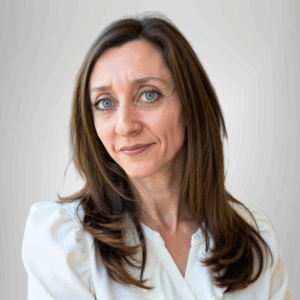
Yonit Arthur, AuD
Founder, Audiologist & Coach
The Steady Coach
Dr. Yo received her doctorate in audiology from Purdue University and is a licensed audiologist and coach. She is board-certified through the American Board of Audiology, and holds vestibular rehabilitation, advanced vestibular rehabilitation, and concussion certifications through the American Institute of Balance.
She has undergone extensive training in counseling, including internal family systems (IFS) (Level 3), inference-based cognitive behavioral therapy (iCBT), exposure and response prevention (ERP), emotional expression and awareness (EAET), and mindfulness-based techniques. She is also a certified strength coach. Dr. Yo also has a YouTube channel, The Steady Coach, and has built a completely free, comprehensive course for people dealing with chronic dizziness.

Go Beyond the Free Summit Interviews
- Full-length expert interviews beyond the 30-minute edits
- Revisit any 2026 session anytime
- Transcripts and audio downloads included
- Review insights before medical appointments
Related Talks for: Day 2 (2026)
Mind Your Body: The Role of Emotions in Chronic Pain
Nicole Sachs, LCSW

Can Long COVID Cause Migraine or Make it Worse?
Patricia Pozo-Rosich, MD, PhD

Is Migraine a Sensory Processing Disorder?
Amaal J. Starling, MD, FAHS, FAAN

Over the past 50 years, our mission at the National Headache Foundation has been to further awareness of headache and migraine as legitimate neurobiological diseases. Much has changed during this time. With aid from advanced technology and clinical innovation, there are more treatment options than ever before. However, we understand that these diseases are still largely misunderstood and that finding the right treatment options for you requires insight.

Meditation and Sleep Made Simple
We make mental health support accessible to everyone, no matter their background or experience. Through our flagship Headspace app, we provide mindfulness tools for everyday life, including meditations, sleepcasts, mindful movement and focus exercises.

Noticing new symptoms? Struggling with Chronic Migraine? Looking for hope? Try these Learning Tracks to more to get the most out of your Summit experience.
