
Small, Sustainable Lifestyle Changes To Help Minimize Migraine
You are currently watching a preview of this interview. Unlock the full version by upgrading to an Access Pass bundle! Get FREE access to 8 expert interviews from Day 1 and Day 2 when you register today!
Key Questions
- What is the scope of lifestyle medicine in headache care?
- How can lifestyle guidance support patients without making them feel responsible when migraine persists?
- How helpful are acronyms like SEEDS, FAST, and SMART in guiding self-care priorities?
- Since stress can trigger migraine attacks, how can mindfulness practices modulate the body’s stress response?
- What is mindfulness and what has research revealed about its role in helping people with migraine manage stress?
- What are realistic and achievable steps for a person to begin a practice of mindfulness meditation?
- Why is prioritizing sleep important for migraine?
- What are the key nutrition recommendations for people managing migraine?
- How should individuals approach exercise, especially when movement can sometimes trigger a migraine?
- For someone who feels overwhelmed, what is the best way to begin making lifestyle changes?
Interview Notes
- Rebecca Erwin Wells, MD
- Clinical trial: BE WELL with Migraine
- Prescreening for Study
- LinkedIn | Rebecca Erwin Wells, MD, MPH
- American College of Lifestyle Medicine
- Study: “Self-esteem and self-compassion status of migraine patients in Turkey: A multi-center study by Turkish Headache Study Group”
- Comprehensive Headache Program at Atrium Health Wake Forest Baptist
Treatments Mentioned
- Community engagement
- Complementary medicine
- FAST (fluids, activity, sleep, trigger management)
- Integrative medicine
- SEEDS (sleep, exercise, eat, diary, stress)
- SMART (sleep, meals, activity, relaxation, trigger avoidance)
Find 300+ treatments in our full Treatment Directory — available with a VIP Access Pass.
For additional links and resources, click here.
Disclaimer: The Migraine World Summit aims to bring you a variety of perspectives and expertise, free from bias or judgment. Alternative theories presented in this video have not been medically reviewed. Views expressed in this interview do not necessarily represent the views of the Migraine World Summit. Please always consult your health care professional and do your own research before making changes to your treatment plan. Captions are auto-generated and may contain errors.
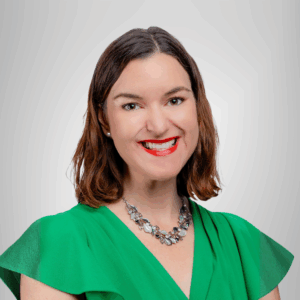
Rebecca Erwin Wells, MD, MPH, FAHS, FAAN
Professor
Wake Forest University School of Medicine
Dr. Rebecca Erwin Wells is a professor of neurology and social sciences and health policy, with tenure at Wake Forest University School of Medicine and Atrium Health Wake Forest Baptist in Winston-Salem, NC. In 2012, she founded their Comprehensive Headache Program, which she has continued to direct. She graduated with highest honors on a full academic scholarship from UNC-Chapel Hill, received her MD from East Carolina-Brody School of Medicine, completed a neurology residency at University of Virginia, and obtained her Master of Public Health (MPH) from Harvard University. She also completed fellowships in integrative medicine and headache medicine from Harvard.
Dr. Wells currently serves as immediate past president of the Southern Headache Society. She is on the board of directors of the American Headache Society (AHS), and is a fellow of the AHS and the American Academy of Neurology (AAN). She received the AHS’s Above and Beyond Award for her service as co-chair of the AHS Diversity, Equity, and Inclusion (DEI) Task Force. She received the AHS Early Career Lecture Award for her research on the patient voice in migraine and the AAN’s Harold Wolff-John Graham Award for recognition of her outstanding achievements in headache/facial pain research. Her National Institutes of Health (NIH)-funded research investigates the mechanisms and efficacy of mind/body treatments for headache, which often receives media attention, including interviews with Time magazine, NPR, BBC News, The Boston Globe, and Prevention magazine.
She also conducts research evaluating the genetics of cluster headache, and presents to national and international audiences as an expert in headache, mind/body, and integrative medicine. She has received funding from the NIH, the National Headache Foundation, and the American Pain Society for her research. As a trained mindfulness meditation instructor, she led mindfulness sessions virtually with worldwide participants during the pandemic.

Go Beyond the Free Summit Interviews
- Full-length expert interviews beyond the 30-minute edits
- Revisit any 2026 session anytime
- Transcripts and audio downloads included
- Review insights before medical appointments
Related Talks for: Day 8 (2026)

Why Isn’t There a Cure for Headache Disorders?
Tom Zeller Jr.


Told You’re “Out of Options”? There’s Hope
Lauren R. Natbony, MD, FAHS
CGRP, PACAP & Beyond: The Future of Migraine Relief
Messoud Ashina, MD, PhD, DMSc
The Migraine Association of Ireland is a Patient Orientated Organisation, Providing Information and Support for People That Suffer with Migraine, in an Overlooked Environment.

Amneal is a U.S. based biopharmaceutical company elevating the standard of care for patients in hard-to-treat and under-served conditions. We are expanding access to safe, effective, and innovative Specialty medicines across neurology, including migraine, with a focus on pairing high-quality medicines with the resources healthcare providers need to support patient care. We work with healthcare teams across the country to ensure providers have the tools to prescribe with confidence and patients have access to the medicines they need.

Today is the final day to get the Summit discount. Upgrade now to keep the interviews, revisit the expert insights anytime, and go deeper with extended sessions and additional resources. Your purchase also helps support our nonprofit partners.
