
How Behavioral Therapies Help Prevent & Manage Migraine
You are currently watching a preview of this interview. Unlock the full version by upgrading to an Access Pass bundle! Get FREE access to 8 expert interviews from Day 1 and Day 2 when you register today!
Key Questions
- How do psychological or behavioral treatments for migraine, such as biofeedback and cognitive behavioral therapy (CBT), physiologically impact the body and brain?
- What are the core evidence-based behavioral treatments for migraine?
- Can behavioral therapies be used alone, or are they most effective when combined with medications?
- What is the functional model of migraine treatment? How does it differ from the traditional medical diagnostic model?
- How does the functional model identify factors contributing to migraine vulnerability and guide collaborative treatment planning?
- What evidence supports the effectiveness of CBT for migraine, and what benefits does it offer compared to pharmacological treatments?
- What are the risks of an avoidance-only approach to triggers? How does the “Learning to Cope” approach provide an alternative?
- How can common migraine triggers, like food or light, be accurately identified given the complex behavioral and biological interactions?
- How does hypervigilance affect the migraine cycle, and what practical strategies can break this cycle?
- What guidance is offered to individuals who have had negative or dismissive experiences with psychological treatments for chronic pain?
- How can people with migraine find clinicians with expertise in behavioral treatments?
Interview Notes
- Paul R. Martin, PhD
- International Headache Society
- Study: “An integrative cognitive behavioral therapy program for adults” with migraine: A feasibility study
- Study: “Behavioral management of the triggers of recurrent headache: A randomized controlled trial”
- Comprehensive Clinical Psychology (Second Edition), Chapter 8.25: Headache and Migraine
Treatments Mentioned
- Acceptance and commitment therapy (ACT)
- Attention diversion training
- Autogenic training
- Biofeedback training
- Cognitive behavioral therapy (CBT)
- Mindfulness-based cognitive therapy (MBCT)
- Progressive relaxation training
- Relapse prevention training
Find 300+ treatments in our full Treatment Directory — available with a VIP Access Pass.
For additional links and resources, click here.
Disclaimer: The Migraine World Summit aims to bring you a variety of perspectives and expertise, free from bias or judgment. Alternative theories presented in this video have not been medically reviewed. Views expressed in this interview do not necessarily represent the views of the Migraine World Summit. Please always consult your health care professional and do your own research before making changes to your treatment plan. Captions are auto-generated and may contain errors.
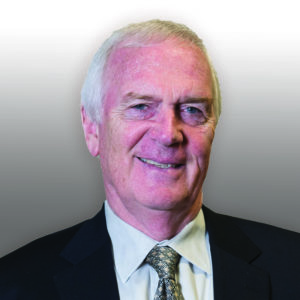
Paul R. Martin, PhD
Adjunct Professor
Monash University & Griffith University
Paul R. Martin is an adjunct professor at Monash University and at Griffith University in Australia. He is a clinical and health psychologist who completed his training at the Universities of Bristol and Oxford. He has held a number of professional leadership positions, including national president of the Australian Behaviour Modification Association, and director of science and then president of the Australian Psychological Society.
His main research interest has been headache and migraine, with subsidiary interests in stress, depression (including postnatal depression), and social support. He has authored/edited eight books and 170 journal articles and chapters. In 2003, he received a Centenary Medal “for service to Australian society and medicine,” and in 2015, he received a Medal of the Order of Australia “for service to medicine in the field of psychology.”

Go Beyond the Free Summit Interviews
- Full-length expert interviews beyond the 30-minute edits
- Revisit any 2026 session anytime
- Transcripts and audio downloads included
- Review insights before medical appointments
Related Talks for: Day 7 (2026)

Brain Fog & Dementia: The Science on the Cognitive Impacts of Migraine
Laura (Libby) Sebrow, PhD

Beyond Pills: Your Guide to Drug-Free Neuromodulation for Migraine
Stewart Tepper, MD, FAHS

Scents, Chemicals & the Migraine Brain
Gudrun Gossrau, MD

Migraine & Headache Australia is the only organization in Australia that has supported the more than 5 million Australians affected by headache and migraine for 20 years. Migraine & Headache Australia is a division of the Brain Foundation.

Migraine doesn't have to derail your career. Nearly every workplace in the country is impacted by migraine disease through absenteeism and presenteeism. Despite the prevalence of the disease, there is a lack of education and awareness around it. In the workplace, this often leads to unintended stigma and bias against employees living with migraine disease. Visit our website to learn more about programs available for both employees and employers.

If it feels like you’ve tried everything, there may still be options you haven’t explored. The Treatment Directory includes 300+ treatments, therapies, devices, and strategies discussed by MWS experts, updated each year. Available with the VIP Access Pass.
