
Beyond Pills: Your Guide to Drug-Free Neuromodulation for Migraine
You are currently watching a preview of this interview. Unlock the full version by upgrading to an Access Pass bundle! Get FREE access to 8 expert interviews from Day 1 and Day 2 when you register today!
Key Questions
- How is neuromodulation used to treat the symptoms of migraine disease?
- Can neuromodulation prevent as well as treat migraine attacks?
- Do health insurance providers in the U.S. generally cover the costs of these devices?
- Are neuromodulation devices challenging for patients to use?
- Which devices are cleared for children or adolescents?
- Are these devices safe for use while a person is pregnant or breastfeeding?
- Who should avoid these devices for safety reasons?
- When should a clinician consider recommending neuromodulation as a treatment?
- What kind of results can patients expect?
- If one neuromodulation device isn’t effective, should a patient try a different one?
Interview Notes
- Stewart Tepper, MD, FAHS
- Stewart J. Tepper, MD|Geisel School of Medicine at Dartmouth
- American Headache Society
- American Migraine Foundation
- Study: “Neuromodulation in trigeminal autonomic cephalalgias: 11-year experience of non-invasive vagus nerve stimulation”
- Study: “Safety of remote electrical neuromodulation for acute migraine treatment in pregnant women: A retrospective controlled survey‐study”
- Professional guidelines: “The American Headache Society Consensus Statement: Update on integrating new migraine treatments into clinical practice”
- Press release: “Theranica Announces U.S. Coverage for Nerivio® Reaching ~130 Million Lives, Attaining Payer Scale Comparable to Leading Migraine Drugs”
- Ongoing study: NCT04994509 | Pre-Exposure Prophylaxis Study of Lenacapavir and Emtricitabine/Tenofovir Alafenamide in Adolescent Girls and Young Women at Risk of HIV Infection | ClinicalTrials.gov
- Ongoing study: NCT06167655 | A Pivotal Study Evaluating Safety And Efficacy Of The Shiratronics Migraine Therapy System | ClinicalTrials.gov
Treatments Mentioned
- CEFALY
- CGRP monoclonal antibodies (mAbs)
- gammaCore
- HeadaTerm 2
- Nerivio
- Neuromodulation devices
- Occipital nerve implantable stimulators
- Relivion
- SAVI Dual (sTMS by eNeura)
- TENS (transcutaneous electrical nerve stimulation) units
- Truvaga
Find 300+ treatments in our full Treatment Directory — available with a VIP Access Pass.
For additional links and resources, click here.
Disclaimer: The Migraine World Summit aims to bring you a variety of perspectives and expertise, free from bias or judgment. Alternative theories presented in this video have not been medically reviewed. Views expressed in this interview do not necessarily represent the views of the Migraine World Summit. Please always consult your health care professional and do your own research before making changes to your treatment plan. Captions are auto-generated and may contain errors.
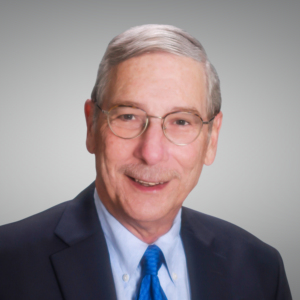
Stewart Tepper, MD, FAHS
Vice President
The New England Institute for Neurology and Headache
Stewart Tepper, MD, FAHS, is vice president of the New England Institute for Neurology and Headache (NEINH) in Stamford, Connecticut, and professor of neurology at the Geisel School of Medicine at Dartmouth in Hanover, New Hampshire.
Dr. Tepper has published more than 520 peer-reviewed articles, online features, chapters, and books on headache medicine. He serves on the executive board of directors for the American Headache Society and on the governance committee of the American Migraine Foundation.

Go Beyond the Free Summit Interviews
- Full-length expert interviews beyond the 30-minute edits
- Revisit any 2026 session anytime
- Transcripts and audio downloads included
- Review insights before medical appointments
Related Talks for: Day 7 (2026)

Brain Fog & Dementia: The Science on the Cognitive Impacts of Migraine
Laura (Libby) Sebrow, PhD

How Behavioral Therapies Help Prevent & Manage Migraine
Paul R. Martin, PhD

Scents, Chemicals & the Migraine Brain
Gudrun Gossrau, MD
Migraine & Headache Australia is the only organization in Australia that has supported the more than 5 million Australians affected by headache and migraine for 20 years. Migraine & Headache Australia is a division of the Brain Foundation.

Migraine doesn't have to derail your career. Nearly every workplace in the country is impacted by migraine disease through absenteeism and presenteeism. Despite the prevalence of the disease, there is a lack of education and awareness around it. In the workplace, this often leads to unintended stigma and bias against employees living with migraine disease. Visit our website to learn more about programs available for both employees and employers.

If it feels like you’ve tried everything, there may still be options you haven’t explored. The Treatment Directory includes 300+ treatments, therapies, devices, and strategies discussed by MWS experts, updated each year. Available with the VIP Access Pass.
